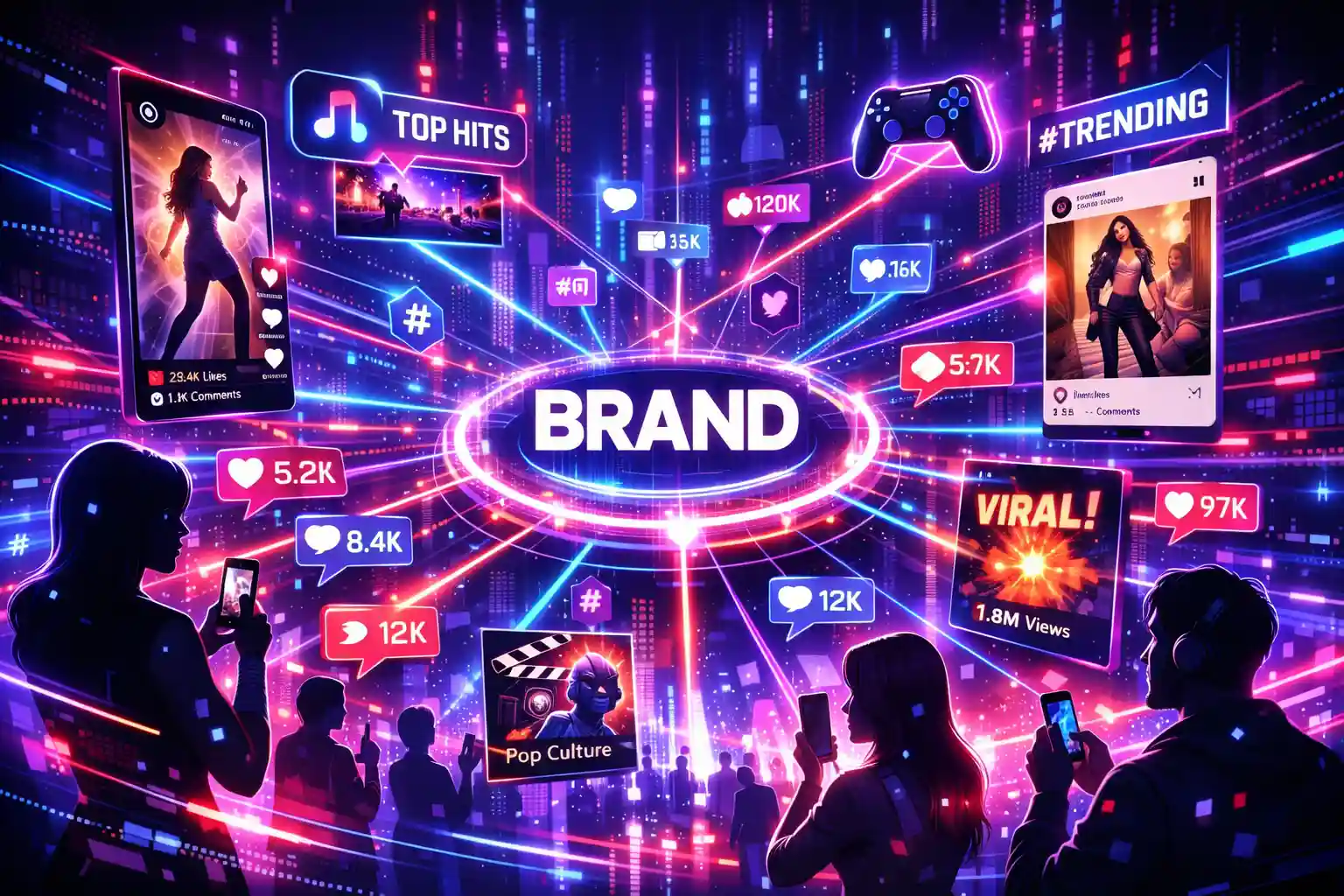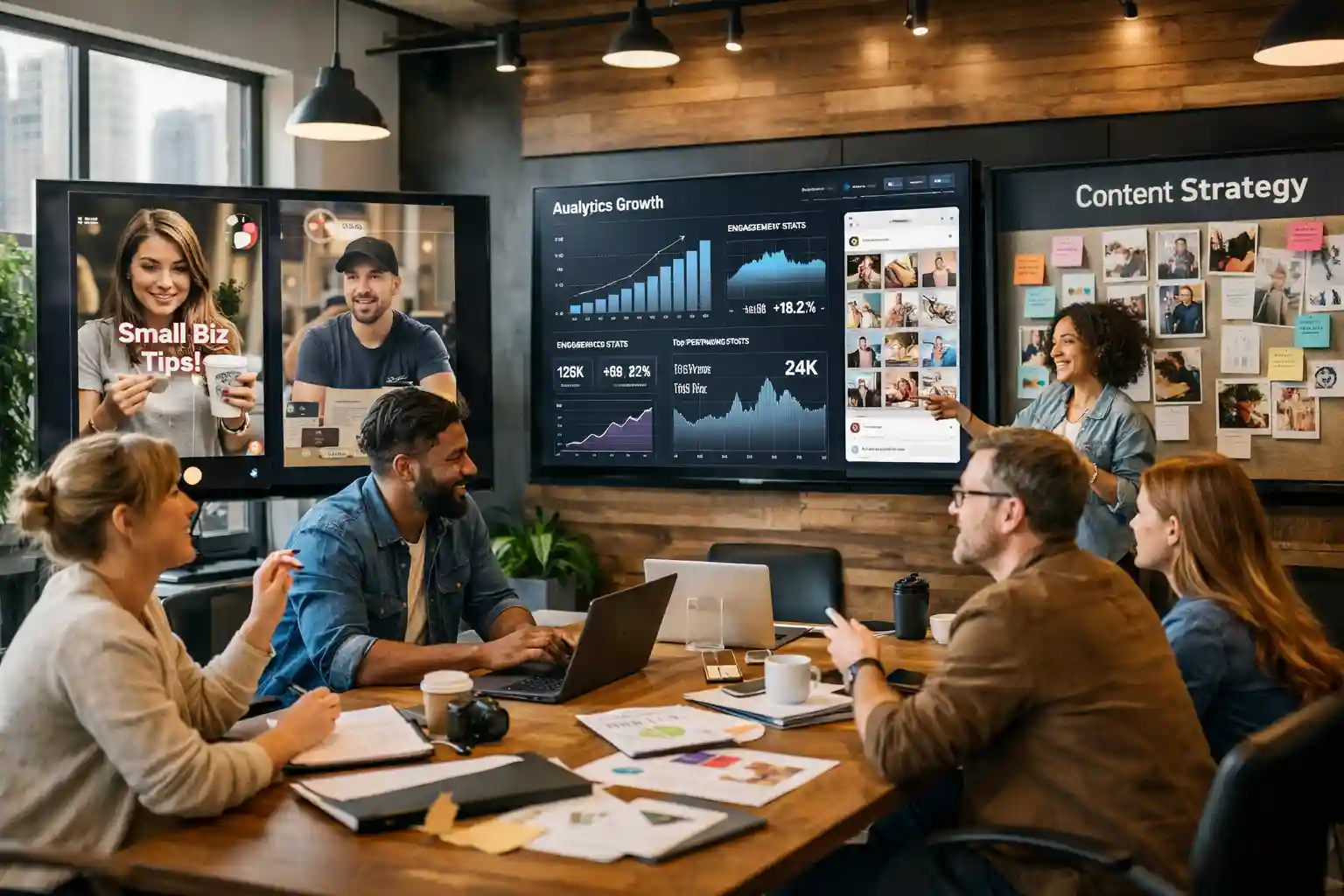
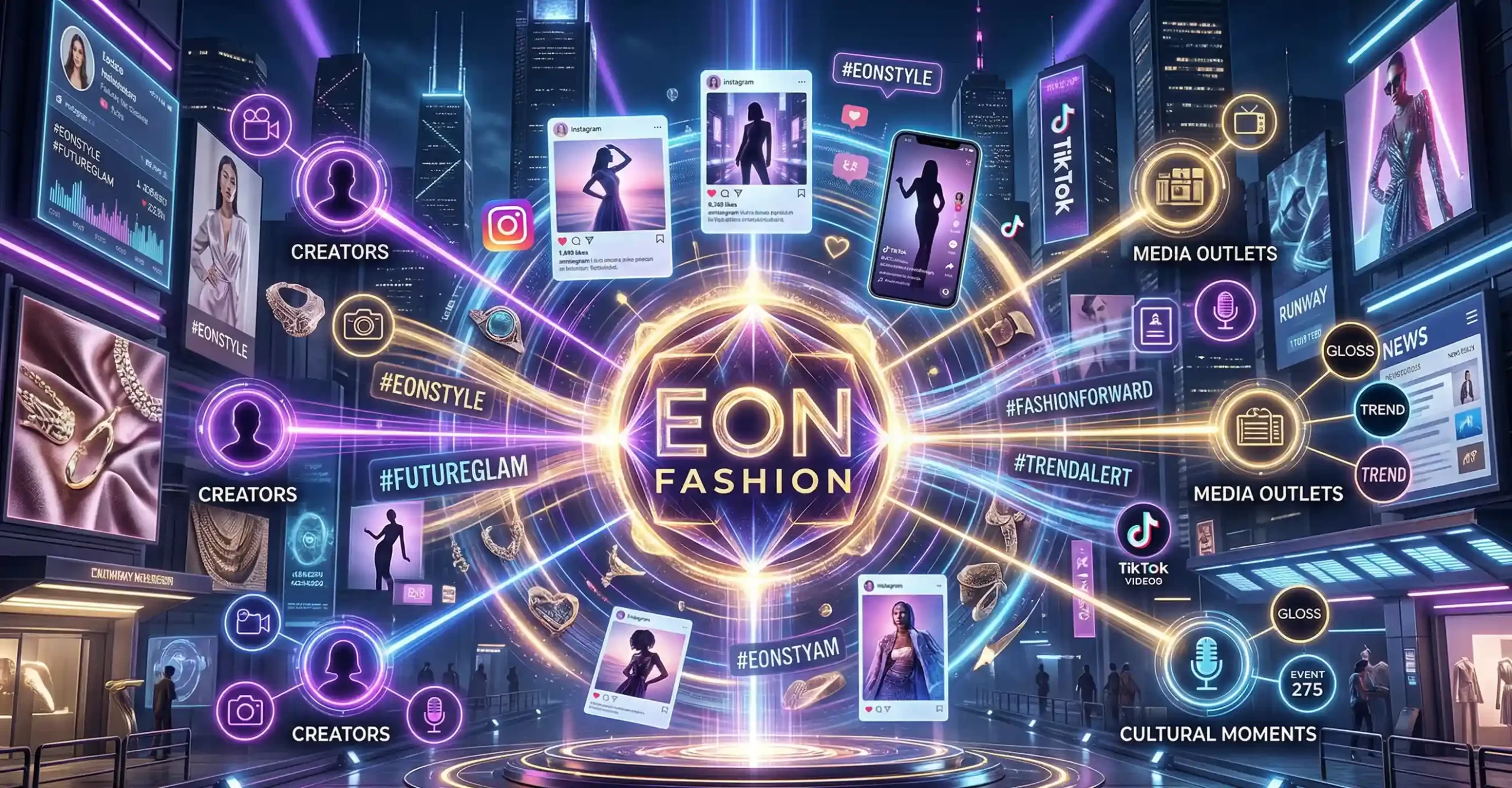
Community-led growth has become one of the most effective strategies for consumer brands competing in social-first environments. Audiences no longer engage with brands simply because they see an ad. They engage because they feel represented, involved, and connected. Influencer marketing and user-generated content play a central role in this shift by turning passive viewers into active participants.
Rather than focusing only on reach or impressions, modern brands are prioritizing trust, relevance, and cultural participation. Influencer marketing and UGC enable brands to show up inside real conversations, everyday routines, and shared cultural moments. This approach builds stronger communities and supports long-term brand equity instead of short-term attention.
Community-led growth refers to brand growth driven by participation, advocacy, and shared identity rather than one-way promotion. In this model, consumers are not just buyers. They are contributors, storytellers, and brand advocates.
Influencers and creators act as community leaders, while UGC reflects real experiences from everyday customers. Together, they create a feedback loop where brands listen, respond, and evolve alongside their audience. This approach is especially effective on platforms like TikTok and Instagram, where discovery and engagement are shaped by interaction rather than follower count.
Reach alone does not build loyalty. Trust does. Influencer marketing works when creators already influence culture, behavior, and decision-making within their communities. UGC reinforces that trust by showing real people using products in real contexts.
When brands prioritize influencer-led storytelling and UGC, they shift from broadcasting messages to earning attention. This leads to higher engagement quality, stronger sentiment, and greater long-term impact compared to traditional influencer campaigns focused only on visibility.
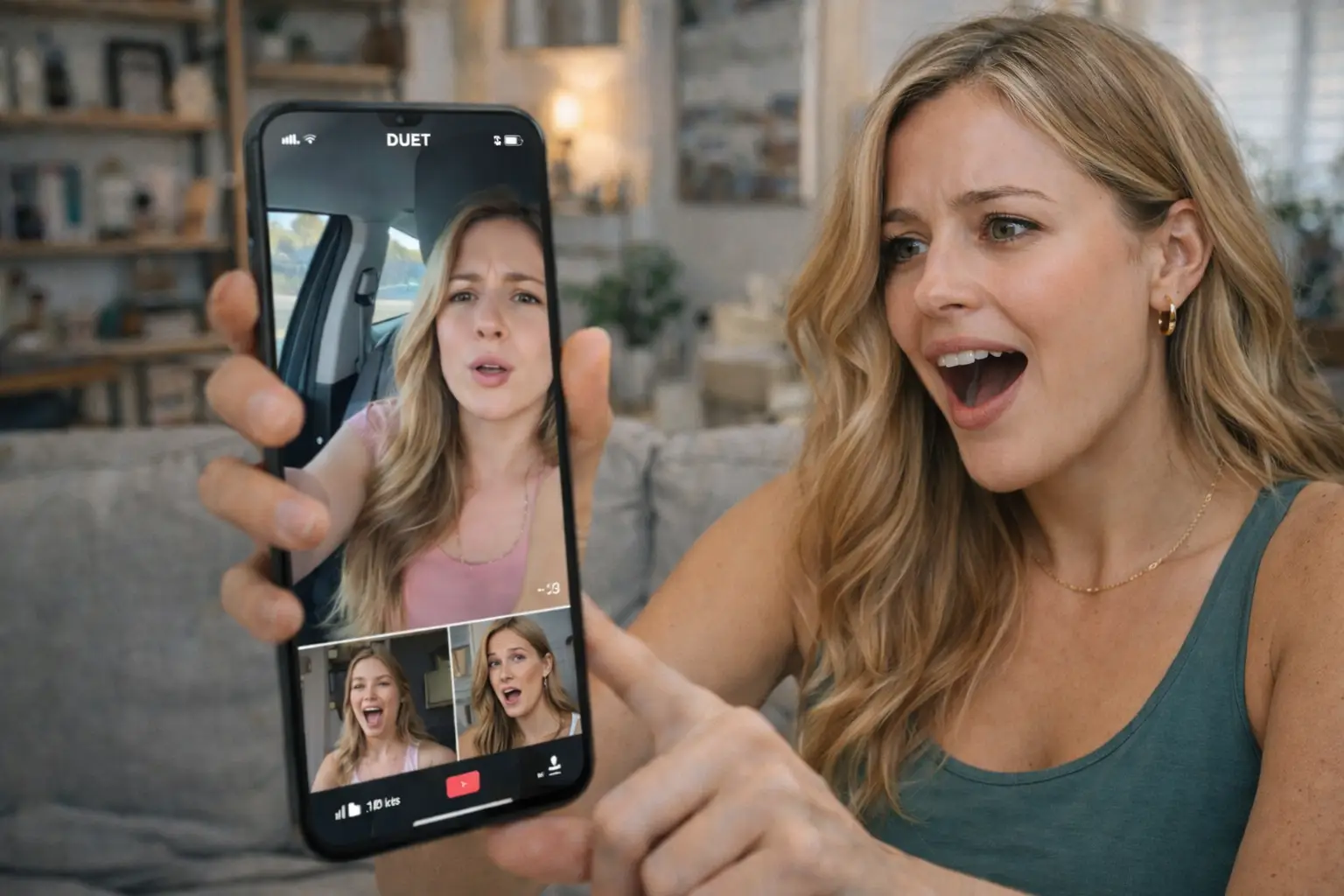
Influencers do more than publish content. They create dialogue around brands through comments, replies, stitches, duets, and follow-up videos. These interactions keep brands active inside everyday social conversations instead of limiting visibility to one-time campaign posts. When creators respond to audience feedback or expand on earlier content, brands become part of an evolving narrative that feels alive and culturally present.
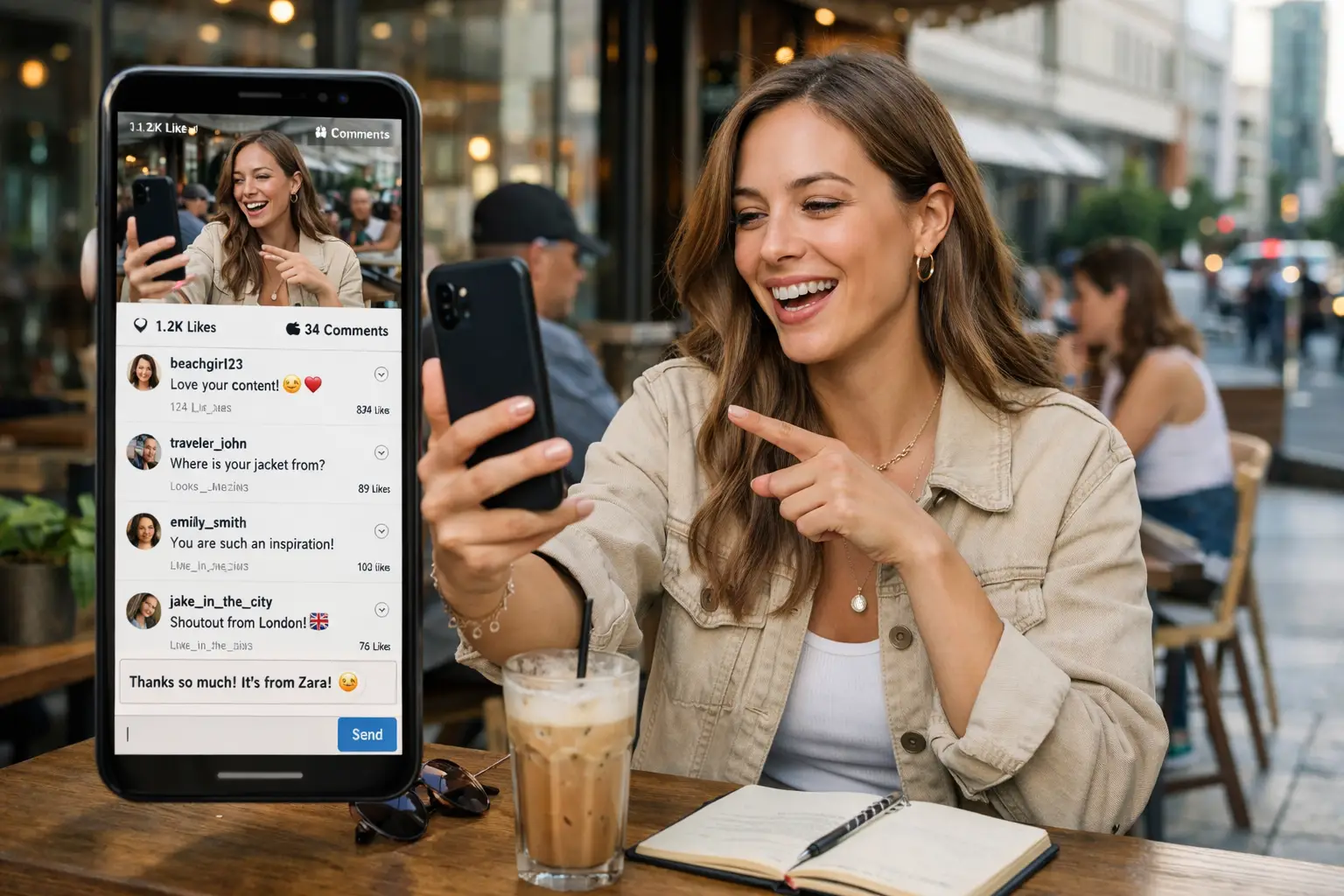
User-generated content showcases real people using products in everyday situations. This removes the skepticism often associated with polished advertising and replaces it with authenticity. When audiences see unfiltered experiences, honest opinions, and realistic use cases, trust increases naturally. UGC works because it feels peer-driven rather than brand-controlled, which is especially important for younger audiences who value transparency.

Featuring audience content makes consumers feel recognized rather than marketed to. When brands repost, respond to, or highlight community-created content, they signal appreciation and inclusion. This recognition strengthens emotional connection and encourages people to engage repeatedly. Over time, participants shift from passive viewers to active advocates who want to contribute and stay involved.
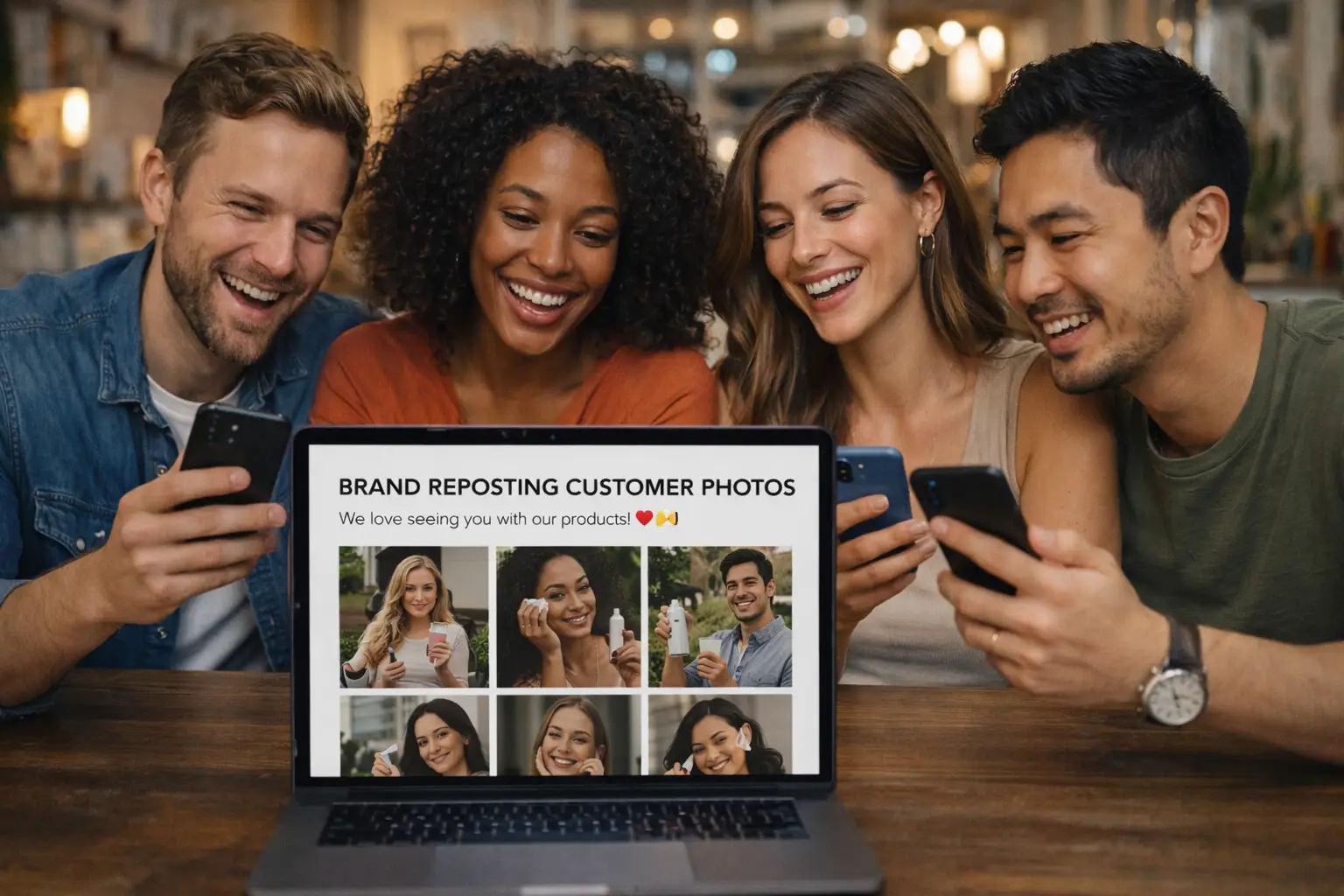
Creators understand platform behavior, trend timing, and audience expectations better than brands alone. They translate cultural moments into content formats that feel native rather than forced. By partnering with influencers, brands can participate in trends in ways that align with community norms, humor, and language. This allows brands to feel culturally aware without appearing opportunistic or out of touch.
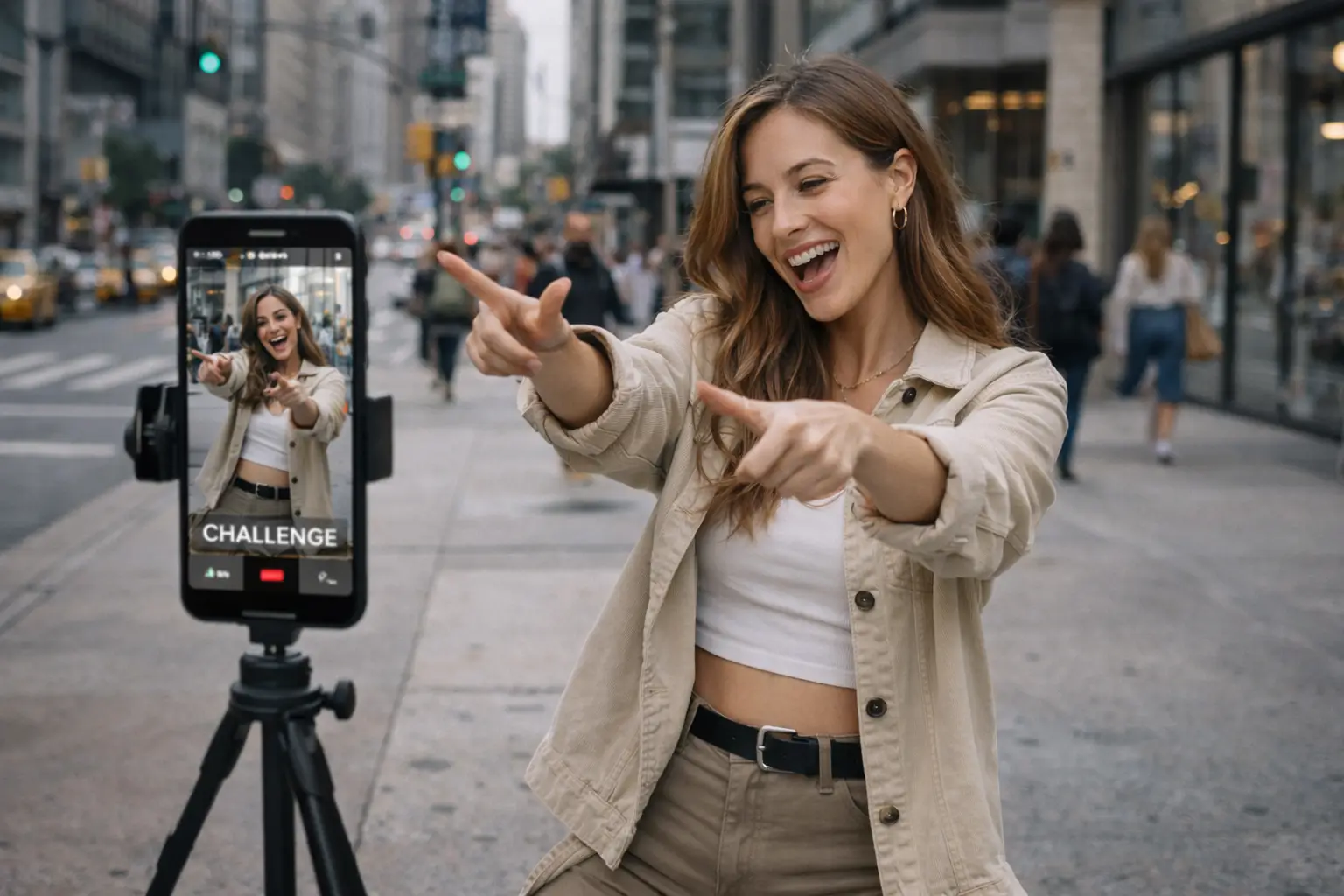
Formats like duets, remixes, stitches, and replies invite audiences to co-create rather than just consume. This two-way interaction transforms brand content into shared experiences. When audiences are invited to respond, reinterpret, or add their own perspective, engagement becomes participatory. This interaction builds deeper investment because people feel involved in shaping the brand story.
Working with the same creators over time helps audiences develop recognition and trust. Repeated exposure through familiar voices creates continuity, making the brand feel more established and credible. Long-term partnerships also allow creators to share evolving stories rather than one-off endorsements. This consistency supports stronger community connection and sustained engagement beyond individual campaigns.
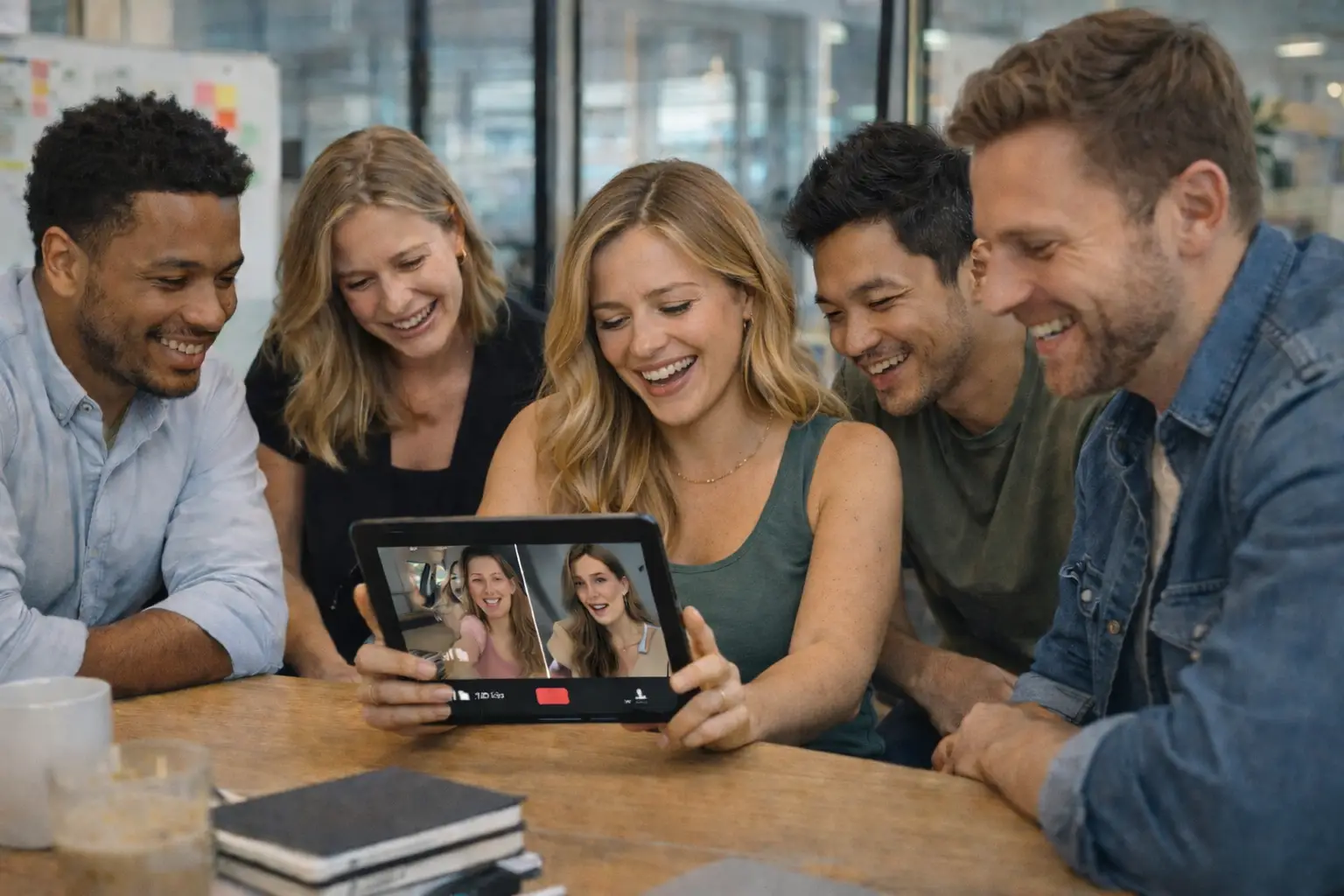
Social algorithms reward content that generates interaction, conversation, and repeat engagement. UGC often performs well because it encourages comments, shares, and participation. As audiences interact with community-driven content, visibility increases organically without heavy reliance on paid promotion. This makes community-led strategies both effective and efficient for long-term growth.
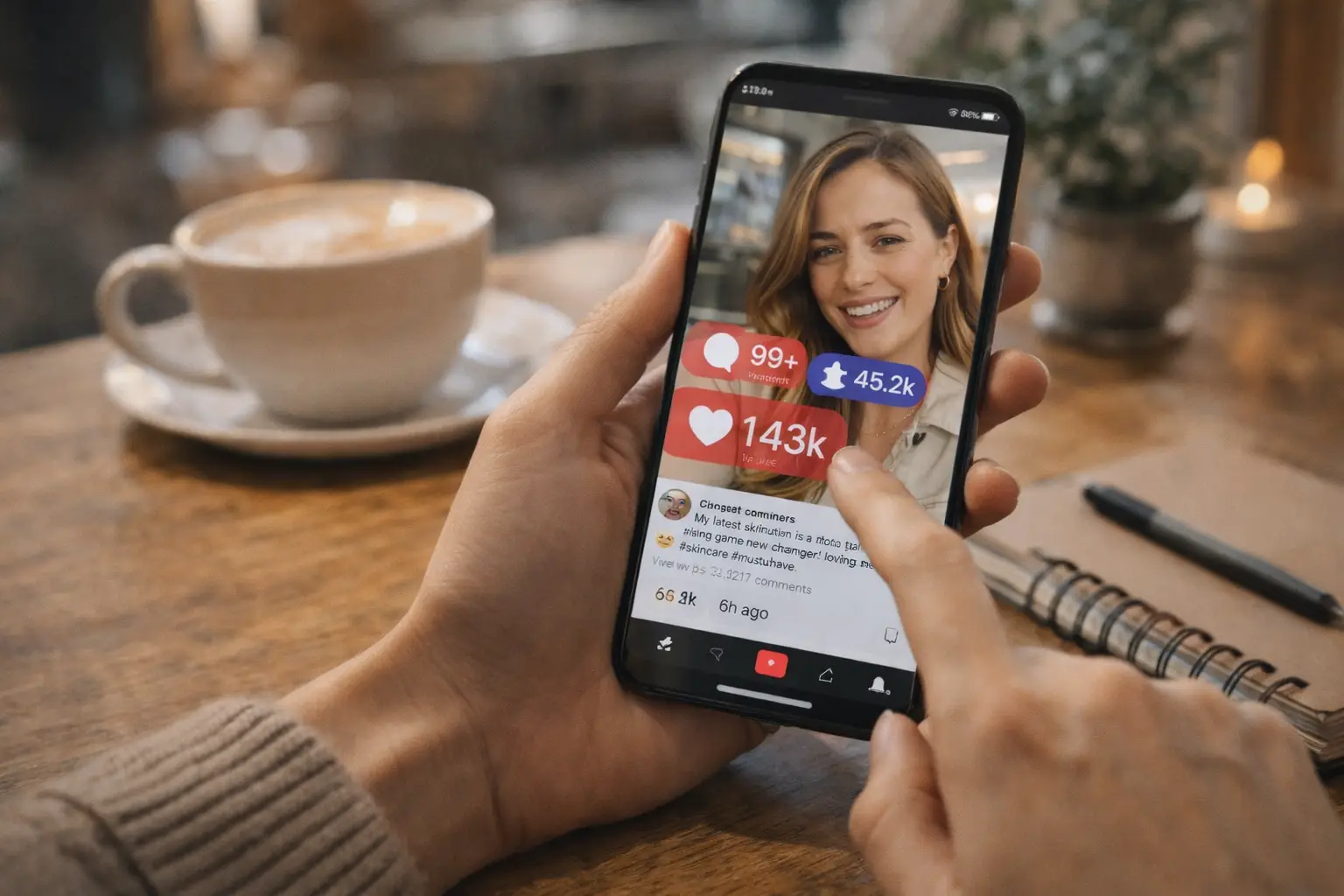
Creators demonstrate how products fit into real lifestyles rather than scripted brand narratives. This lived-in storytelling shapes how audiences perceive the brand emotionally and culturally. Seeing products used in everyday routines, personal contexts, and authentic environments helps define brand identity in ways traditional messaging cannot replicate.

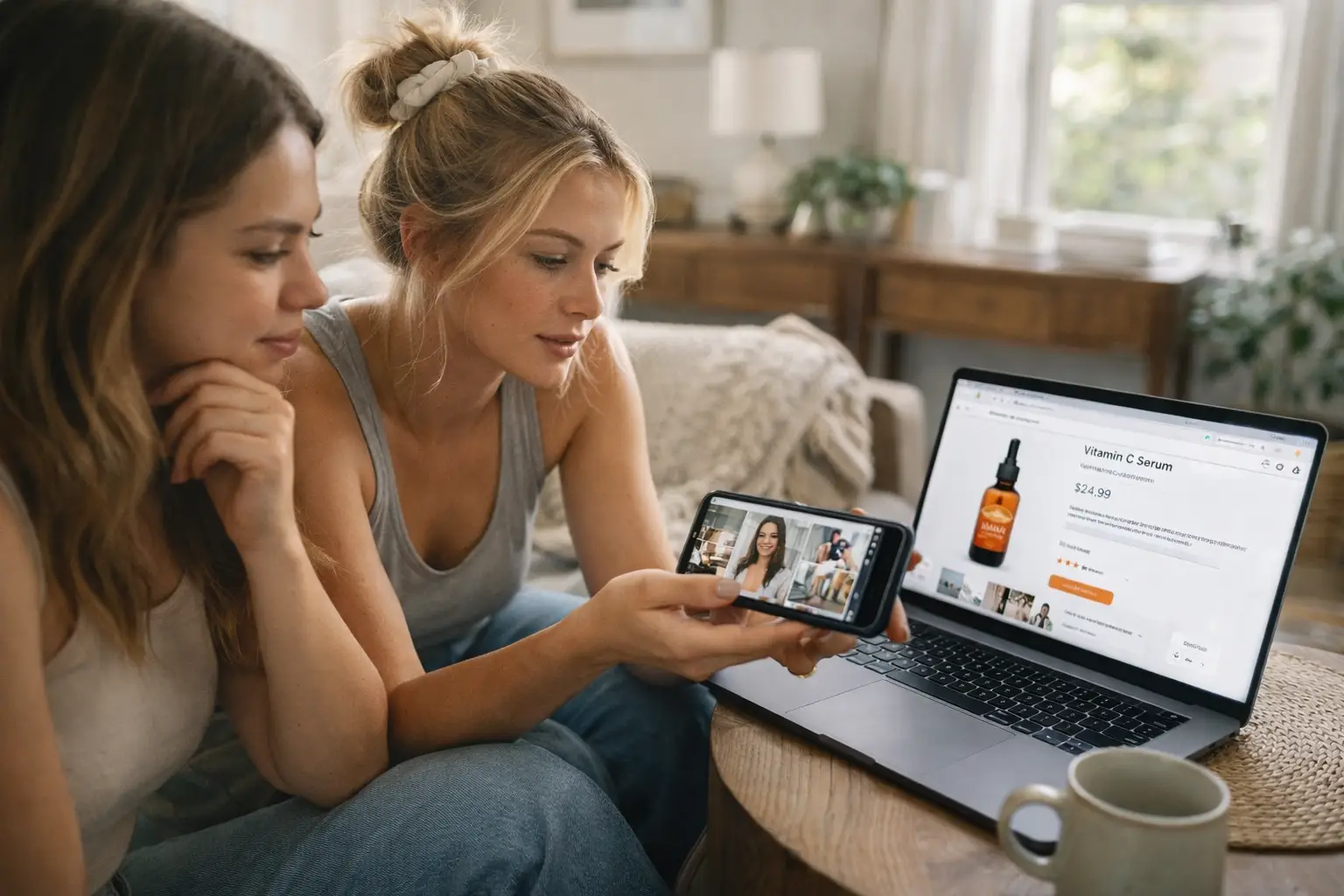
When consumers see peers using and discussing products naturally, it simplifies decision-making. Authentic demonstrations answer questions, reduce uncertainty, and provide social proof. UGC allows potential buyers to visualize how a product fits into their own lives, making discovery feel organic and purchase decisions more confident.
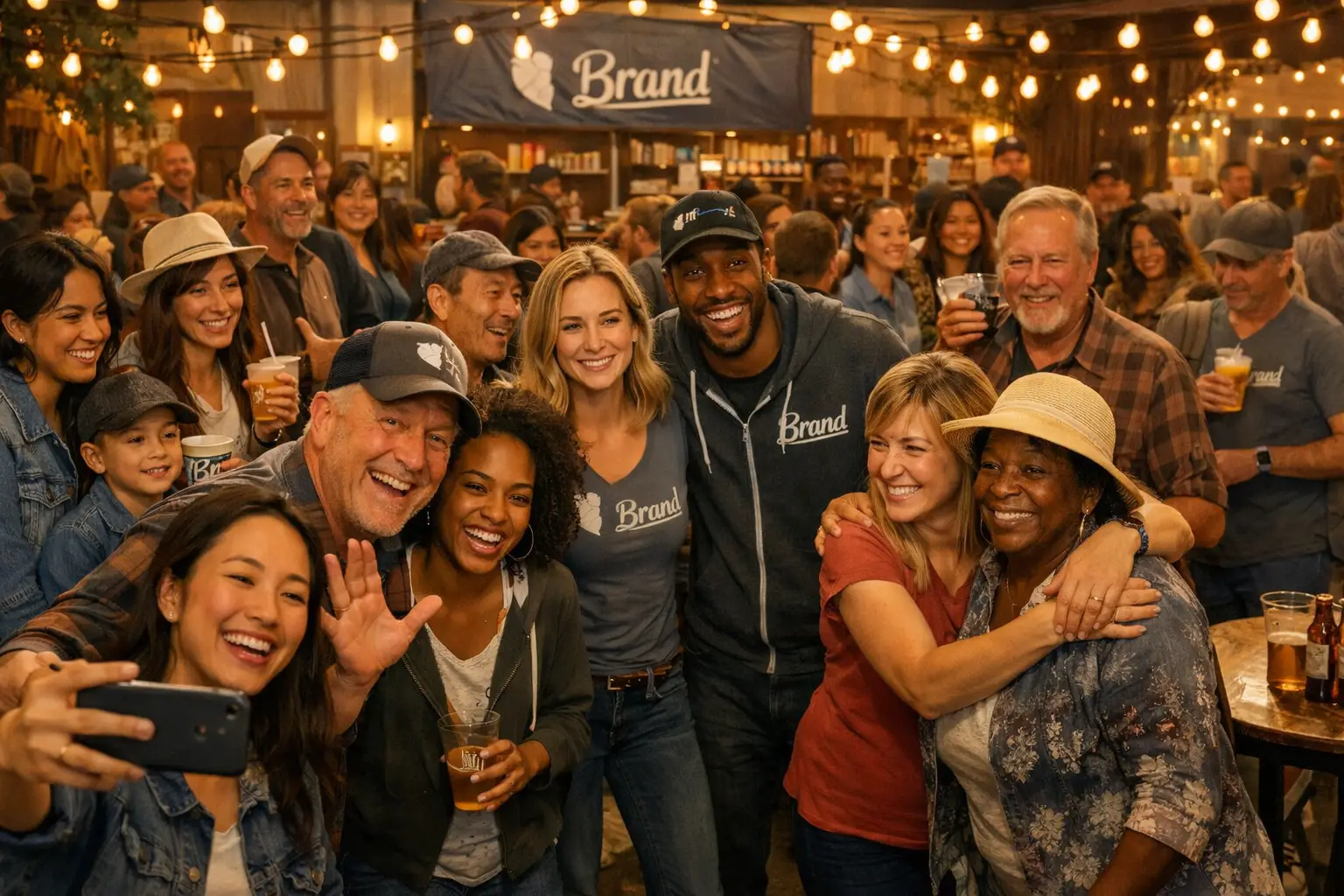
Community-driven strategies create value that extends beyond individual campaigns. As communities grow, they evolve into advocates who defend, recommend, and support brands organically. This sustained participation builds long-term brand equity by reinforcing trust, relevance, and cultural alignment. Instead of chasing short-term attention, brands investing in influencer marketing and UGC create ecosystems that support lasting growth.
Social-first PR extends the impact of influencer and UGC moments beyond social platforms. High-performing content can be amplified through earned media, digital coverage, and cultural storytelling that reinforces credibility.
By connecting community-driven content to broader narratives, social-first PR helps brands build authority and trust while maintaining authenticity. This integration ensures that community-led growth contributes to long-term brand reputation, not just short-term engagement.
Brands should focus on creator alignment rather than follower size. Encouraging participation without controlling narratives is critical to maintaining authenticity. Measuring success through engagement quality, sentiment, and repeat interaction provides a clearer picture of community health than impressions alone.
Consistency matters. Community-led growth is built over time through ongoing interaction, not isolated campaigns.
Jive PR + Digital helps consumer brands build community through influencer-led storytelling, UGC amplification, and social-first PR. The agency focuses on cultural fluency, creator collaboration, and real-time participation rather than promotional messaging.
By combining influencer strategy with earned media and platform-native execution, Jive PR + Digital helps brands move with culture and build lasting relevance.
Jive PR + Digital partnered with Flyover to drive awareness and engagement for an immersive, ticketed experience through community-led storytelling. Instead of relying on traditional attraction marketing, the campaign focused on creator-led UGC that captured real reactions, emotional moments, and first-person experiences. Influencers shared authentic content that showed how Flyover felt rather than explaining what it was, making the experience relatable and culturally engaging on platforms like TikTok and Instagram. By amplifying high-performing creator content through social-first PR, Jive PR + Digital helped Flyover build curiosity, trust, and sustained engagement among experience-driven audiences.
This approach positioned Flyover as a must-see cultural experience rather than a one-time attraction. Community-driven content encouraged repeat sharing, organic conversation, and peer-to-peer discovery, supporting long-term relevance beyond a single campaign moment.
Community-led growth has become a defining advantage for consumer brands navigating social-first platforms. Influencer marketing and UGC work best when they are used to build participation, trust, and shared identity rather than chasing short-term reach. Brands that invest in creator-led storytelling and real audience voices are better positioned to earn attention and loyalty in fast-moving cultural environments.
By combining influencer strategy, UGC amplification, and social-first PR, brands can extend community moments into lasting brand equity. Agencies that understand cultural behavior, platform dynamics, and creator ecosystems help brands move with culture instead of reacting too late. For consumer brands focused on long-term relevance and meaningful growth, community-led strategies are no longer optional. They are essential.
Community-led growth means brands grow through participation, trust, and advocacy rather than one-way promotion. Influencers and UGC turn audiences into contributors who actively engage, share, and shape brand perception over time.
Influencer marketing and UGC show real people using products in authentic contexts. This reduces skepticism, increases credibility, and helps audiences trust brands through peer-driven experiences rather than polished advertising.
Reach creates awareness, but community creates loyalty. Community-led strategies drive repeat engagement, stronger sentiment, and long-term relevance, which leads to more sustainable growth than short-term impressions.
Brands should create open invitations for participation, spotlight community content, and avoid controlling narratives. Encouraging creativity while recognizing contributors helps UGC feel natural rather than forced.
Social-first PR extends high-performing influencer and UGC content into earned media and cultural storytelling. This amplification builds credibility, authority, and long-term brand equity beyond social platforms.