

Public relations has undergone one of the most significant transformations in the history of marketing and communications. What was once centered almost entirely around press releases, journalist outreach, and media coverage has evolved into a multidimensional discipline shaped by digital platforms, social media behavior, and cultural conversations.
Today, brands are not judged only by where they are featured, but by how they show up consistently across search results, social feeds, creator content, and real-time conversations. Reputation is built over time through visibility, relevance, and trust rather than isolated media wins.
This shift has given rise to modern PR agencies. These agencies operate at the intersection of media, digital strategy, and social storytelling. This guide explores how modern PR agencies work, what differentiates them from traditional firms, and how brands can evaluate the right partner in an always-on, creator-driven landscape.
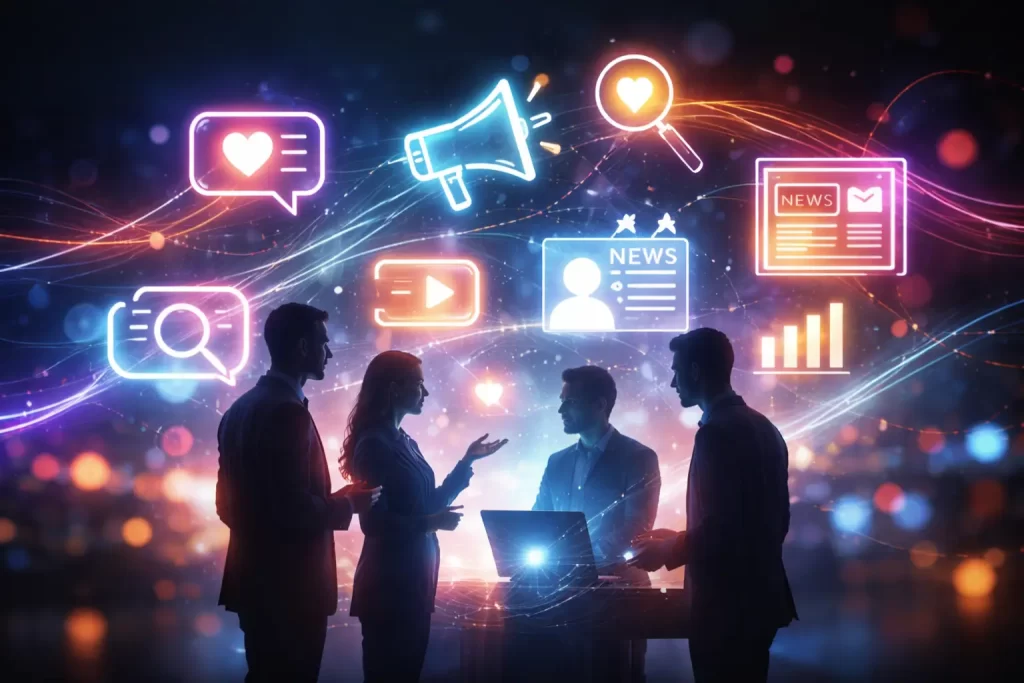
Traditional PR operated on a linear model. Brands shared announcements, agencies pitched journalists, and coverage appeared days or weeks later. Success was often measured by the number of placements or the prominence of a publication.
In the digital world , communication is non-linear and continuous. Stories often break on social platforms before they reach traditional media. Consumers discover brands through creators, search engines, and peer recommendations long before reading a formal article. Founders and executives are expected to communicate directly with audiences through platforms like LinkedIn and TikTok.
As a result, PR is no longer a reactive function. It is proactive and ongoing. Modern PR focuses on shaping narratives before they take form publicly and managing how brands are perceived across multiple touchpoints at the same time.
This evolution has changed the role of PR agencies from media intermediaries to strategic communication partners.
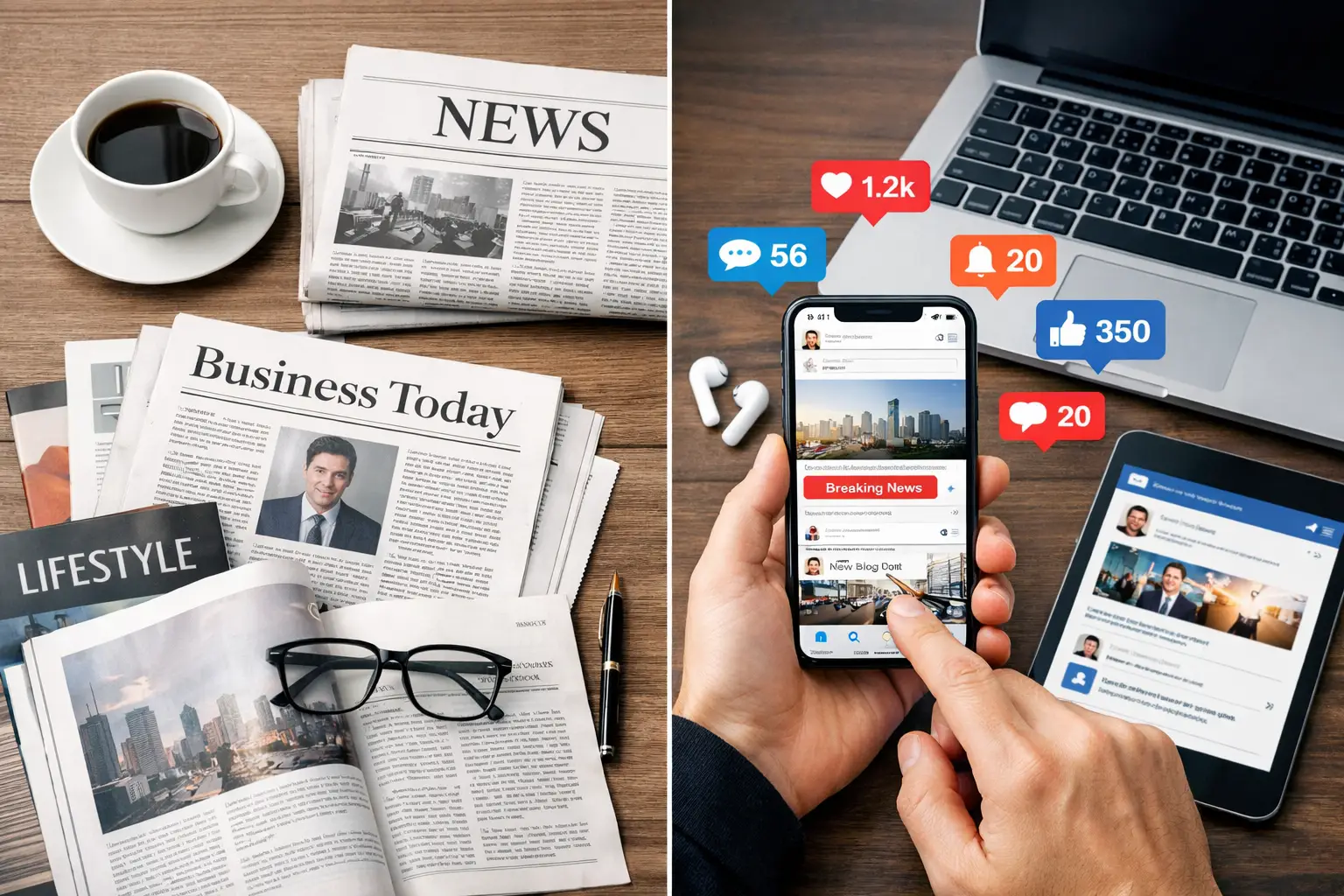
A modern PR agency is defined by integration, adaptability, and cultural awareness.
Instead of focusing only on earned media, modern agencies connect earned, owned, and shared channels into a single narrative strategy. They understand that brand perception is shaped by repeated signals across media coverage, social content, creator partnerships, and search visibility.
Modern PR agencies prioritize:
Agencies like Jive PR + Digital reflect this modern approach by aligning PR with digital and social strategy. Rather than treating PR as a standalone service, it becomes part of a broader ecosystem that includes creators, content, and community engagement.

Digital strategy is now foundational to effective PR, shaping how stories are discovered, shared, and sustained over time. Without a digital lens, even strong PR narratives risk limited reach or short-lived impact.
Modern PR agencies use digital insights to understand what audiences are searching for, talking about, and engaging with across platforms. Social listening, trend analysis, and data-driven insights help identify opportunities for relevance early, allowing brands to participate in conversations before they become oversaturated.
Search visibility plays an increasingly important role in PR outcomes. Media coverage influences brand search demand, website traffic, and online credibility long after a story is published. A well-placed article or mention can strengthen how a brand appears across search results and digital platforms, extending the lifespan of PR efforts.
By aligning PR narratives with real digital behavior, modern agencies ensure that earned attention supports sustained visibility and long-term brand presence rather than fleeting exposure.

Social media has effectively become the world’s largest media network.
Platforms like Instagram, TikTok, LinkedIn serve as discovery engines, news sources, and reputation platforms. Brands are evaluated not only by what they post, but by how they participate in conversations, respond to feedback, and engage with communities.
Modern PR agencies treat social media as a core communication channel rather than a distribution afterthought. They help brands manage tone, timing, and consistency across platforms while ensuring messaging feels natural and human.
Social media in PR is about presence and participation. It requires understanding platform culture, content formats, and audience expectations. Modern PR agencies help brands navigate these nuances without appearing overly promotional or disconnected from culture.
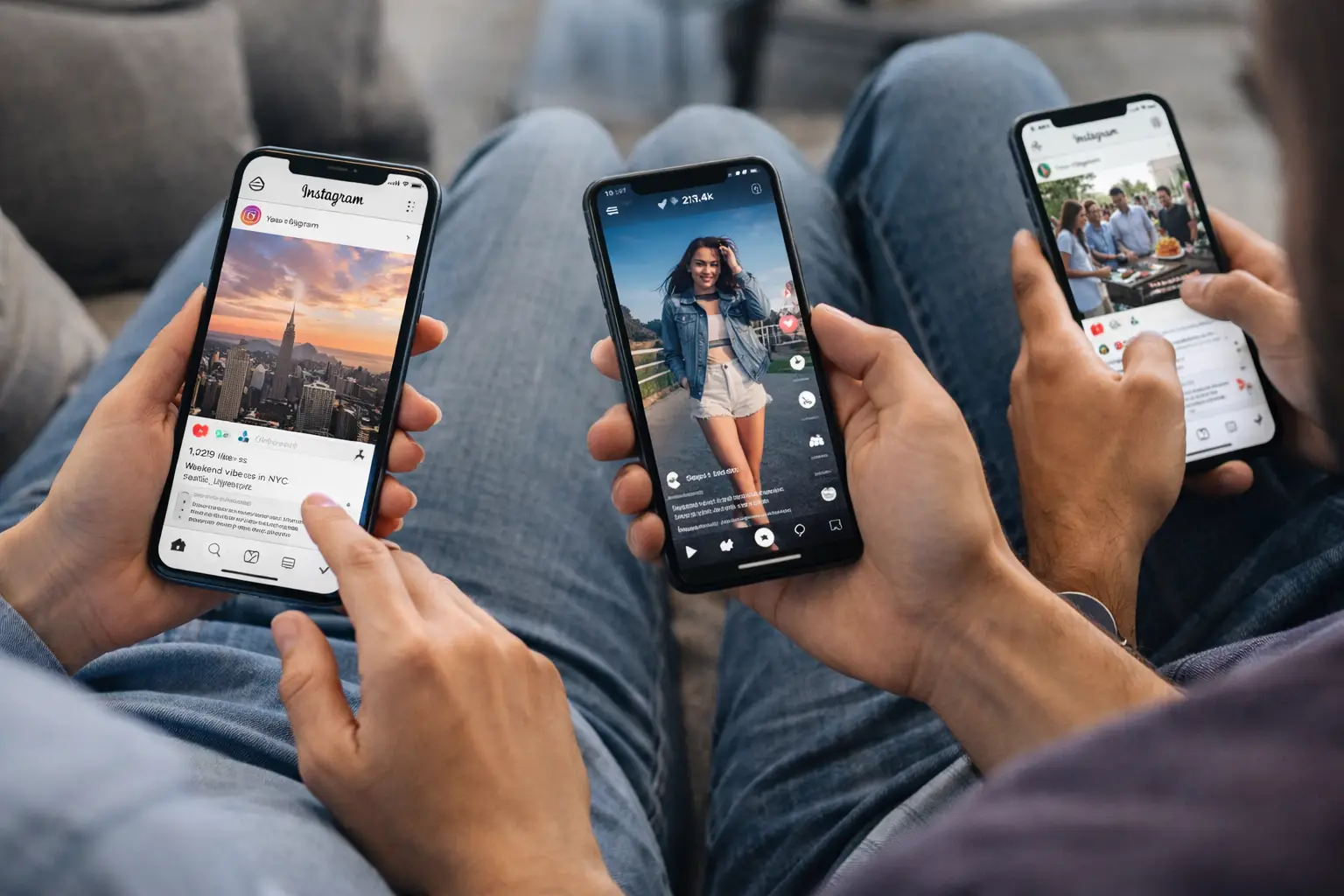
Creators have become some of the most influential voices in modern media. For many audiences, especially in consumer categories, creators carry more trust than traditional publications or brand messaging.
Modern PR agencies approach creators through a credibility-first lens. Instead of transactional partnerships, they focus on building long-term relationships rooted in shared values and authentic storytelling.
This community-led approach allows brands to earn attention rather than purchase it. Creator content becomes part of a broader PR narrative that reinforces brand positioning across platforms.
By integrating creators into PR strategy, modern agencies help brands build social proof, cultural relevance, and trust over time.

Success in modern PR is no longer defined by impressions or media reach alone. While visibility still matters, it is only one part of a broader measurement framework.
Modern PR agencies evaluate impact through engagement quality, audience sentiment, and consistency of brand messaging across channels. Meaningful interactions, thoughtful conversations, and positive sentiment indicate that messaging is resonating rather than simply being seen.
Digital performance also plays an important role. Metrics such as website traffic influenced by PR, search visibility, and growth in branded search help show how PR contributes to long-term awareness beyond individual placements.
Longevity matters as well. Modern agencies look at how long conversations continue after coverage appears, signaling lasting relevance rather than short-term attention.
Ultimately, modern PR measurement focuses on credibility and relevance. The goal is not just visibility, but to be remembered, trusted, and clearly positioned over time.

Modern PR agencies are particularly valuable during moments when brands need clarity, momentum, or strategic direction in how they are perceived.
Early-stage brands often work with PR agencies to establish legitimacy and define their narrative. At this stage, PR helps clarify what the brand stands for, who it serves, and why it matters. Thoughtful storytelling and third-party validation can accelerate trust in competitive markets.
Growth-stage brands rely on PR to maintain consistency while scaling visibility. As brands expand into new markets or product lines, modern PR agencies help ensure messaging remains cohesive across channels. They also support increased exposure without diluting brand identity.
Established brands work with modern PR agencies to protect reputation and stay culturally relevant. In fast-changing markets, even well-known brands need to actively manage perception and participate meaningfully in conversations that matter to their audiences.
Specific moments where modern PR agencies add significant value include product launches, market expansion, founder positioning, and category creation. These situations require integrated digital and social thinking, along with strategic narrative control.
By working with a modern PR agency at the right time, brands can align visibility with credibility, ensuring growth is supported by trust rather than fleeting attention.

Many brands still evaluate PR agencies using outdated criteria that no longer reflect how communication works today. This often leads to misalignment and disappointing outcomes, even when working with experienced firms.
One of the most common mistakes is choosing an agency based only on media lists or past coverage. While media relationships still matter, modern PR also requires digital fluency, social awareness, and cultural understanding. Coverage without context or amplification rarely creates lasting impact.
Another frequent issue is expecting PR to drive immediate sales. PR primarily influences trust, awareness, and consideration, which tend to compound over time. When brands judge PR only through short-term performance metrics, they overlook its long-term value in shaping perception.
Misalignment is another major challenge. Without clear agreement on brand voice, audience, and goals, even capable agencies can miss the mark. Successful PR works best as a collaborative partnership rather than a transactional handoff.
Ultimately, modern PR requires clarity, patience, and consistent collaboration. Brands that treat PR as a long-term investment see far more meaningful and sustainable results.

Choosing the right modern PR agency is less about reputation and more about alignment. The most effective partnerships are built on shared understanding rather than surface-level credentials.
Brands should look for agencies that demonstrate a clear understanding of their audience, category, and cultural context. Strong digital and social expertise is essential, as modern PR operates across platforms where conversations happen in real time. Agencies should be able to explain not just what they do, but why their approach works in today’s media environment.
Transparency and communication also matter. The right agency sets realistic expectations, explains its process clearly, and treats the relationship as a collaboration rather than a black box. Strategic thinking and adaptability are far more valuable than size, scale, or visibility alone.
voice, respects internal priorities, and helps shape how the brand is perceived consistently across channels and over time.

PR today is a dynamic and evolving discipline that blends media relations, social platforms, creators, and digital strategy into a single narrative framework.
Modern PR agencies help brands navigate fragmented attention, manage reputation in real time, and build trust through authentic storytelling. They focus not only on what brands say, but how they are experienced across touchpoints.
For brands focused on long-term growth, PR is no longer about chasing headlines or measuring success by coverage alone. It is about building meaningful visibility, sustained credibility, and genuine connection with audiences over time.
When executed thoughtfully, modern PR becomes one of the most powerful tools a brand can use to stay relevant, trusted, and culturally aligned in an increasingly complex media landscape.
A modern PR agency integrates media relations with digital strategy, social media, and creator storytelling. Unlike traditional PR firms that focus mainly on coverage, modern agencies shape brand narratives across platforms where audiences actually discover and engage with brands, including social feeds, search, and online communities.
Social media is now a primary channel where brand perception is formed. Modern PR agencies use social platforms to manage conversations, build credibility, and reinforce messaging in real time. Without social expertise, PR efforts risk feeling disconnected from how audiences consume and respond to information today.
Modern PR agencies look beyond impressions to measure engagement quality, audience sentiment, message consistency, and digital impact. Metrics such as website traffic, search visibility, branded search growth, and sustained conversations help evaluate how PR contributes to long-term trust and relevance, not just short-term exposure.
Brands should work with a modern PR agency during growth, launches, market expansion, or increased competition. Modern PR is especially valuable when brands need to build credibility, maintain consistent messaging across channels, or manage perception in fast-moving digital and social environments.
Choosing the right modern PR agency comes down to alignment. Brands should look for agencies that understand their audience, demonstrate strong digital and social fluency, communicate transparently, and think strategically. The right agency acts as a long-term partner that helps shape brand perception across channels over time.

Last Updated: July 2026 — This guide has been reviewed and updated to reflect the latest agency rankings, industry developments, and 2026 market data.
The most important thing brands need to understand about modern PR agencies is that the game has fundamentally changed. We no longer live in a world where a placement in a major publication automatically means your audience saw it. Earned media now needs to be amplified — through owned social channels, paid promotion, and strategic content repurposing — to reach the audiences that matter.
At Jive PR + Digital, we believe the best modern agencies are the ones that eliminate the silos between PR, digital, and social. When your PR team and your social team operate as one unit, a single media placement can do 10x the work. The editorial calendar is built around anticipated coverage. Social is ready to amplify the moment a story drops. Influencer partners are briefed on the narrative so their content reinforces the earned media moment.
The agencies worth working with in 2026 are those that lead with strategy, not just tactics. They understand that brand reputation is built in the white space between campaigns — in how you show up consistently, how you respond to cultural moments in real time, and how your earned, owned, and paid media channels tell a coherent story. That integrated approach is what separates agencies driving real business outcomes from those still chasing clip counts.
What makes a modern PR agency different from a traditional one?
Traditional PR agencies focused primarily on earned media — securing press coverage in newspapers, magazines, and broadcast outlets. Modern PR agencies integrate earned media with digital strategy, social media management, content creation, SEO, and influencer marketing. They measure success not just in media placements but in traffic driven, brand search volume, social engagement, and ultimately in how PR activity contributes to pipeline and revenue. The ability to connect PR outcomes to business results is the defining characteristic of a modern agency.
How do modern PR agencies approach social media?
The best modern agencies treat social media as a distribution and amplification engine for earned media. Rather than managing social in isolation, they coordinate social calendars around anticipated media coverage so that press placements are amplified at the right moment. They also use social listening tools to identify cultural moments and journalist conversations in real time — turning social intelligence into pitch opportunities before they become obvious to everyone else.
What digital capabilities should a modern PR agency have in-house?
At minimum: SEO expertise to optimize press releases and landing pages for search discovery, social media management capabilities across relevant platforms, content production skills (copywriting, photography, video), data analytics to measure campaign performance, and media monitoring to track coverage and sentiment. Agencies with UX or CRO capabilities are particularly valuable for brands that need PR to drive traffic that actually converts.
How have influencer relationships changed in modern PR?
Influencer marketing has moved from a novelty tactic to a core PR channel. Modern agencies maintain ongoing relationships with vetted creators across tiers — mega influencers for reach, micro influencers for authenticity and engagement, and nano influencers for niche community trust. The best agencies brief influencers on brand narratives, coordinate their content timing with earned media campaigns, and measure influencer performance with the same rigor they apply to traditional media placements.
What industries benefit most from modern, integrated PR agencies?
Consumer brands benefit enormously because their audiences are primarily on social and digital channels where integrated PR has the most impact. Food and beverage, beauty, wellness, fashion, lifestyle, and CPG brands are the clearest winners. B2B companies also benefit, particularly in tech and SaaS, where thought leadership content and digital PR can drive significant organic search visibility and position leadership teams as credible industry voices. The integration of digital and traditional PR is valuable across virtually every sector.

Megan Balyk
Vice President · 15+ Years of Experience
Megan Balyk is the Vice President at Jive PR + Digital, leading campaigns that build cult brands through bold storytelling and cultural relevance.
With 15+ years of industry experience, she specializes in helping ambitious brands connect authentically with Gen Z and Millennial audiences.
Connect on LinkedIn