

Consumer brands today compete in an environment defined by constant noise, shrinking attention spans, and rising skepticism. Products are launched daily, trends move quickly, and audiences are exposed to thousands of messages across platforms. In this landscape, public relations is no longer a support function. It is a core growth driver.
A consumer-focused PR strategy goes beyond visibility. It shapes perception, builds trust, and ensures that a brand shows up consistently across media, social platforms, creators, and cultural conversations. The brands that win are not just the most talked about, but the most trusted and recognizable over time.
This guide explores how consumer-focused PR works today, what top agencies do differently, and how brands can build the right partnerships to support long-term growth.

Consumer PR operates on emotion, identity, and relatability. Unlike corporate or B2B PR, where authority and credentials often lead, consumer PR must connect with how people live, feel, and see themselves.
Consumers rarely make decisions based on information alone. They rely on social proof, cultural cues, and peer validation. This means PR strategies must account for lifestyle alignment, visual storytelling, and repeated exposure across trusted environments.
A consumer-focused PR approach prioritizes:
Visibility without meaning quickly fades. Consumer PR succeeds when brands feel familiar, credible, and relevant in everyday conversations.

A consumer-focused PR strategy is not a collection of press hits. It is a long-term narrative system.
At its core, it defines:
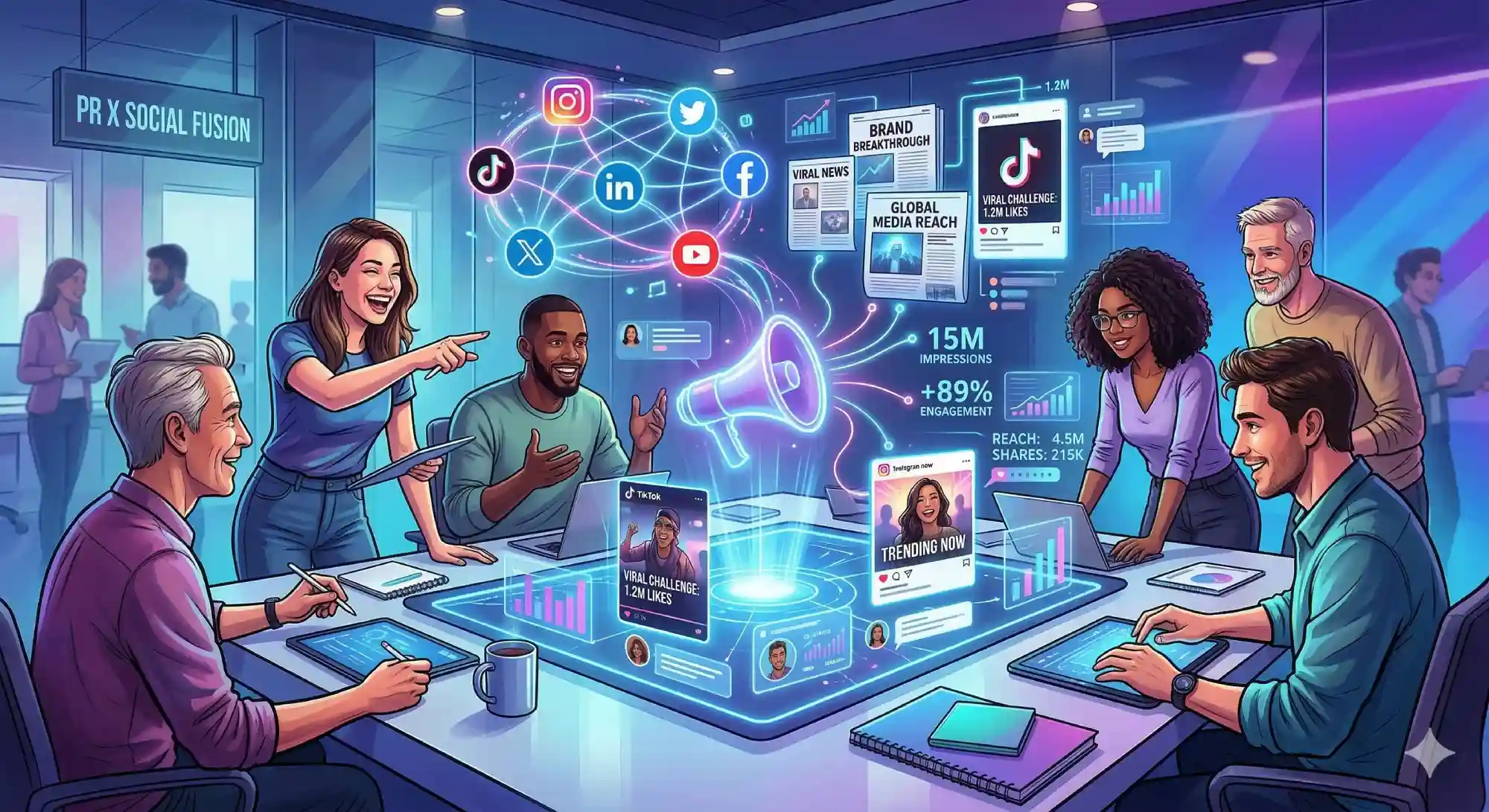
This strategy connects earned media, social presence, creator collaborations, and brand storytelling into one cohesive narrative. Every mention reinforces recognition. Every story supports positioning.
Rather than asking “How do we get coverage?”, consumer-focused PR asks:
The goal is not just awareness, but brand memory.

The consumer discovery journey is fragmented and non-linear. People rarely move from awareness to purchase in a straight line.
Today, consumers discover brands through:
Trust is built through repetition. Seeing a brand across multiple touchpoints, spoken about by voices they already trust, makes it feel credible.
Consumer-focused PR supports this ecosystem by reinforcing consistent messaging wherever discovery happens. Instead of relying on one channel, it ensures brands are validated across many.

PR agencies play a strategic role in helping consumer brands navigate visibility and perception at scale.
Top agencies help brands:
Agencies like Jive PR + Digital approach consumer PR as an integrated system. PR is aligned with digital strategy, creator storytelling, and social behavior, ensuring that visibility always supports credibility.
This approach allows PR to function as a long-term growth engine rather than a short-term publicity tool.

Top consumer PR agencies are differentiated by how they think, not just what they deliver.
They invest deeply in:
Rather than chasing every opportunity, they choose the right ones. Their work feels intentional, aligned, and consistent over time.
This strategic discipline is what separates high-performing consumer PR agencies from those focused only on volume.

Consumer PR agencies are most valuable during moments when perception matters most.
Early-stage brands partner with agencies to establish legitimacy and define their narrative. At this stage, PR helps clarify who the brand is and why it matters.
Growth-stage brands rely on PR to scale awareness while maintaining consistency. As visibility increases, PR ensures the story remains clear and cohesive.
Established brands work with PR agencies to protect reputation and remain culturally relevant. Even well-known brands must actively manage how they are discussed and perceived.
High-impact moments include:
In each case, PR helps align increased attention with long-term trust.

Choosing the right PR agency is less about reputation and more about alignment with your brand’s goals, audience, and way of working. A well-known agency is not always the best fit if it lacks understanding of your category or consumer context.
Brands should first evaluate an agency’s understanding of consumer behavior and culture. Strong PR partners demonstrate insight into how audiences discover, discuss, and trust brands today. Category experience also matters, as agencies familiar with your space are better equipped to create relevant and natural narratives.
Digital and social fluency is another critical factor. Modern PR operates across platforms where conversations happen in real time, so agencies must understand social dynamics, content formats, and online storytelling, not just media outreach.
Brands should also assess whether an agency offers strategic thinking or focuses mainly on execution. The most effective partners help shape messaging, positioning, and long-term narrative direction, rather than simply carrying out tasks.
Finally, transparency and collaboration style play a major role in long-term success. The strongest PR partnerships feel like extensions of the internal team. Agencies that listen carefully, challenge thoughtfully, and adapt quickly tend to deliver the greatest value over time.

One of the most common mistakes brands make is treating PR as a short-term tactic rather than a long-term strategy. Consumer PR relies on repetition, consistency, and sustained storytelling to build trust. Expecting immediate results often leads brands to abandon efforts before meaningful impact can take hold.
Another frequent mistake is choosing PR agencies based only on media lists or past coverage. While strong media relationships are important, they are no longer enough on their own. Without digital fluency and cultural understanding, even good coverage may fail to resonate or translate into lasting relevance.
Brands also sometimes expect PR to replace performance marketing. In reality, PR plays a complementary role. It supports awareness, trust, and consideration, which influence conversion over time, but it works best when aligned with paid and owned channels rather than positioned as a substitute.
Misalignment on goals and expectations is another challenge. When brands and agencies lack shared clarity on objectives, audience, and success metrics, results suffer. Strong consumer PR partnerships depend on collaboration, transparency, and a shared understanding of what long-term success looks like.

Consumer-focused PR success is no longer measured by impressions or media volume alone. While reach still plays a role, it does not fully capture whether a brand’s message is resonating or building trust.
Modern PR measurement looks closely at engagement quality and audience sentiment. Thoughtful comments, shares, and positive conversation indicate that people are not just seeing the message but responding to it meaningfully.
Message consistency across channels is another key indicator. When a brand’s narrative appears clearly and cohesively across media coverage, social platforms, and creator content, it reinforces recognition and credibility over time.
Digital signals also matter. Search visibility and branded search growth help show whether PR efforts are driving curiosity and long-term awareness beyond individual stories.
Finally, longevity of conversations reflects lasting impact. Coverage or content that continues to be referenced, shared, or discussed signals relevance rather than short-term attention.
Ultimately, the true measure of consumer PR success is whether a brand is remembered, trusted, and associated with a clear and consistent point of view within its category.

Consumer-focused PR is not just about gaining visibility or generating coverage. It is about building the right partnership, one grounded in alignment, shared understanding, and long-term thinking. The most effective PR relationships feel collaborative rather than transactional, with both sides working toward a common vision.
Brands that grow sustainably tend to choose PR partners who understand their audience, respect their values, and appreciate the nuances of their category. These partners look beyond short-term wins and focus on shaping perception over time. In consumer markets, fit matters far more than fame.
When executed thoughtfully, consumer PR becomes more than a communications function. It becomes a strategic driver of trust, cultural relevance, and lasting brand growth.
A consumer-focused PR strategy is designed to build trust, awareness, and brand perception among everyday consumers. It goes beyond media coverage by integrating storytelling, social media, creators, and cultural relevance to ensure brands are consistently discovered and validated across multiple touchpoints.
A consumer brand should work with a PR agency during key moments such as product launches, market expansion, or when credibility and trust need to be established. PR agencies are especially valuable when brands want to shape perception, gain third-party validation, and maintain consistent messaging as visibility increases.
Brands should look for a consumer PR agency that understands their audience, category, and cultural context. Strong digital and social expertise, strategic thinking, transparent communication, and experience with consumer storytelling are more important than agency size or well-known media relationships.
Consumer PR agencies measure success using engagement quality, audience sentiment, message consistency, and digital signals like search visibility and branded search growth. These metrics help determine whether PR efforts are building long-term trust and relevance, not just generating short-term attention.
Consumer PR does not replace influencer or paid marketing. Instead, it complements them by building credibility and trust. While paid and influencer marketing drive reach and conversions, PR strengthens brand perception and supports long-term growth when all channels are aligned.


Megan Balyk
Vice President · 15+ Years of Experience
Megan Balyk is the Vice President at Jive PR + Digital, leading campaigns that build cult brands through bold storytelling and cultural relevance.
With 15+ years of industry experience, she specializes in helping ambitious brands connect authentically with Gen Z and Millennial audiences.
Connect on LinkedIn