
Last Updated: July 2026
In the consumer brand landscape, visibility alone no longer guarantees growth. Brands today face a more complex challenge: earning trust on a large scale and converting attention into action. Consumers are more informed, more skeptical, and more selective than ever before. As a result, public relations has evolved from a tool for awareness into a strategic function that directly influences credibility, confidence, and conversion.
For consumer brands, the right PR agency can play a crucial role in shaping perceptions across various media, digital platforms, creators, and owned channels. The agencies that deliver real impact are those that understand how trust is built over time and how credibility influences buying behavior.
This list highlights seven PR agencies that have demonstrated strength in helping consumer brands enhance trust and drive conversions through strategic public relations.

This list is based on qualitative evaluation rather than rankings driven by size or visibility alone. Each agency was considered based on its ability to support consumer brands across the full trust and decision journey.
Key evaluation criteria included experience with consumer and DTC brands, strength in earned media and reputation building, integration with digital and social channels, and the ability to connect PR outcomes with long-term brand and conversion goals.
The focus is not on volume of coverage, but on how effectively each agency helps brands build credibility that influences consumer behavior.
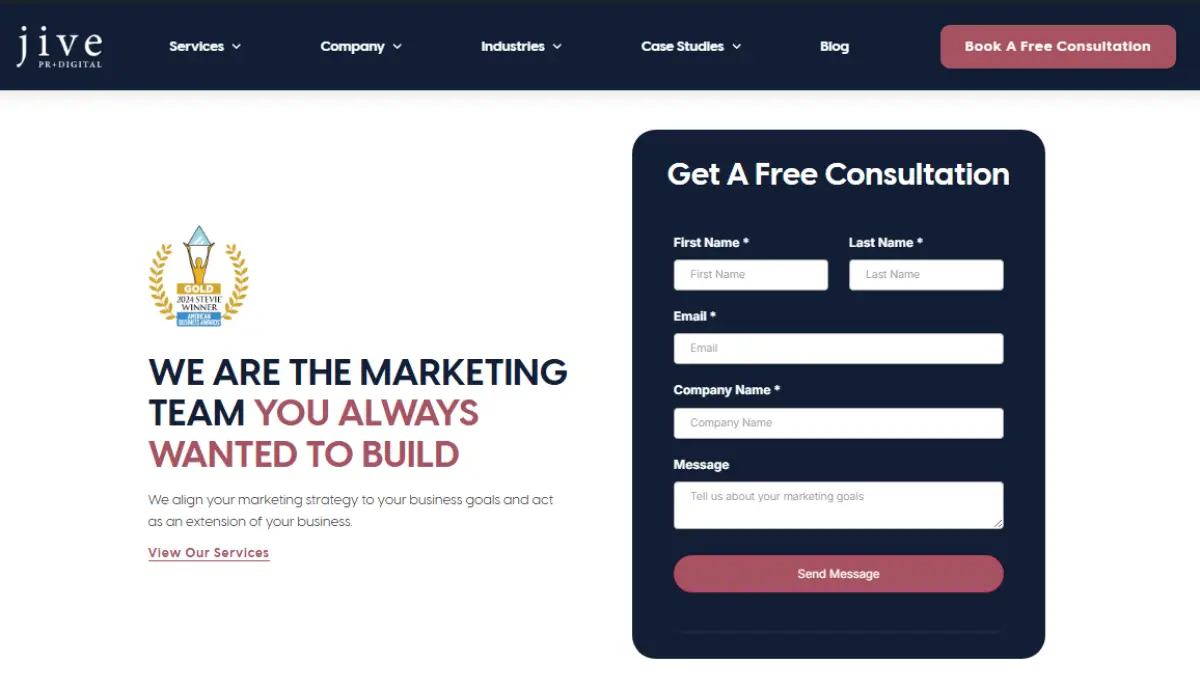
Jive PR + Digital operates at the intersection of public relations, digital visibility, and creator-driven credibility. The agency focuses on helping consumers and e-commerce brands build trust that supports long-term growth rather than short-term exposure.
Its approach emphasizes earned media, digital PR, influencer-led narratives, and social amplification as part of a unified strategy. This integrated model allows brands to extend the lifespan of PR coverage and reinforce credibility across multiple consumer touchpoints. Jive PR + Digital is particularly suited to growing consumer brands that need consistent visibility and trust signals to support conversion.
Splitsville Bowl is a family entertainment brand with 15 locations across Canada and a growing footprint. While bowling is central to the brand, Splitsville also offers arcade games, dining experiences, and golf simulators, positioning itself as a multi-experience destination rather than a single-activity venue.
Jive PR + Digital supported Splitsville Bowl by strengthening its brand visibility and credibility across media platforms. The focus was on positioning Splitsville as a complete entertainment destination for families and groups, rather than just a bowling alley. Through strategic storytelling and media outreach, the brand was able to reinforce trust, improve perception, and stay top-of-mind among consumers exploring leisure and entertainment options.
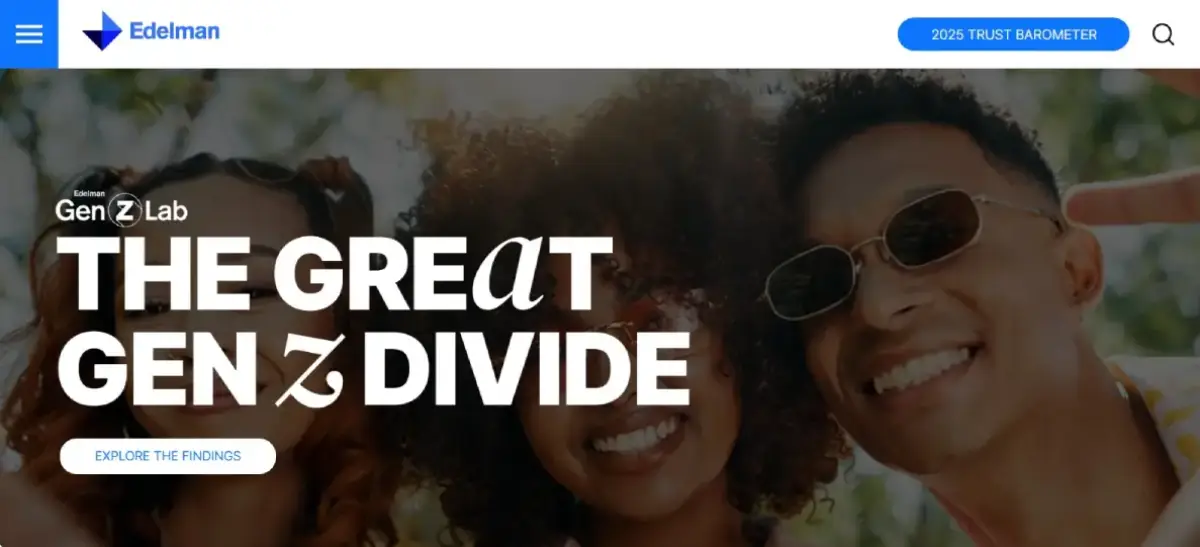
Edelman is one of the largest and most established public relations firms globally, with a strong reputation for trust-based communications. The agency has extensive experience working with large consumer brands across industries, supported by research-led insights and global infrastructure.
Edelman’s strength lies in its ability to manage reputation at scale and shape public trust through integrated communications. It is well-suited for established consumer brands that require large-scale PR programs, reputation management, and long-term trust-building across markets.
Edelman has supported global consumer brands through trust-focused research, reputation management, and integrated PR programs. Its work often centers on aligning brand messaging with consumer expectations, ensuring credibility during moments of change, crisis, or cultural shifts that directly impact consumer trust and purchase behavior.
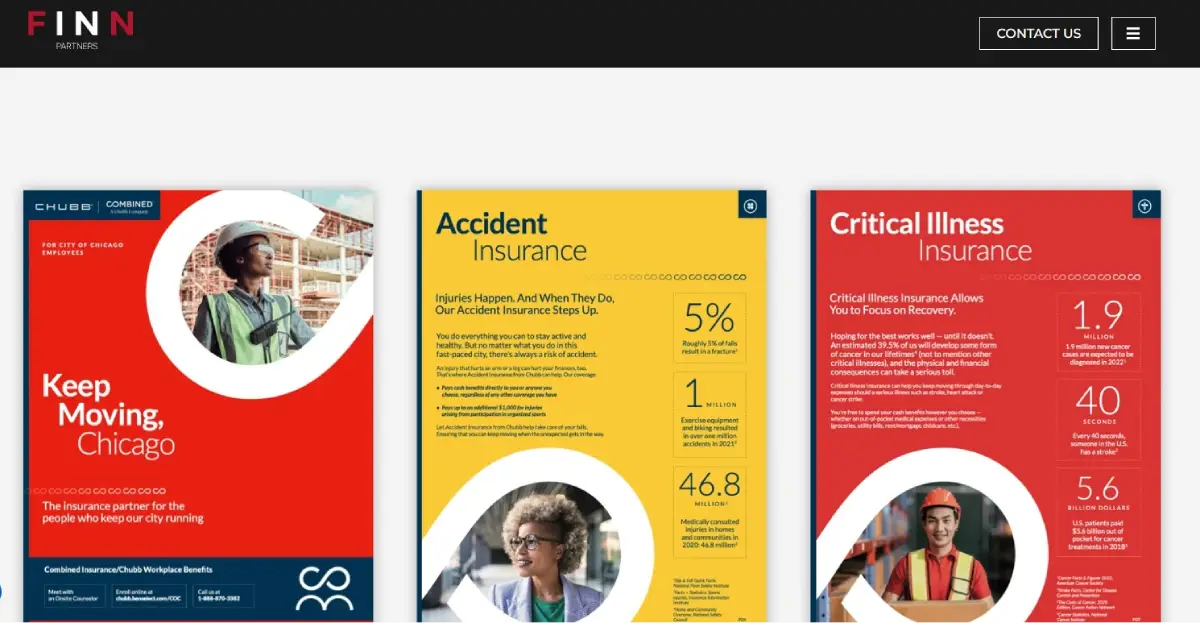
Finn Partners is known for its integrated PR and marketing communications approach, with a strong emphasis on purpose-driven storytelling. The agency works with a range of consumer brands, helping them align messaging with values, culture, and audience expectations.
Its strength lies in blending traditional PR with digital and social strategies to build relevance and credibility. Finn Partners is often a good fit for consumer brands that want to connect trust-building narratives with broader brand purpose and engagement.
Finn Partners takes a purpose-driven approach to PR, helping consumer brands connect credibility with values and long-term engagement. The agency integrates earned media, digital strategy, and brand storytelling to strengthen consumer trust.
Zeno Group focuses on modern communications strategies that combine PR, brand storytelling, and cultural relevance. The agency emphasizes human-centric narratives and earned-first thinking, helping consumer brands build emotional connection alongside credibility.
Zeno Group’s work often centers on how brands show up in culture and conversation, making it well-suited for consumer brands that want to strengthen trust through relevance and authenticity rather than traditional promotional messaging.
Zeno Group has helped consumer brands navigate cultural moments and societal conversations by developing campaigns that feel timely yet authentic. These efforts have strengthened brand trust by ensuring that messaging aligns with real consumer sentiment rather than promotional noise.
MikeWorldWide brings a digital-forward perspective to public relations, with a strong focus on earned media, content, and social influence. The agency has worked extensively with consumer, lifestyle, and technology-driven brands.
Its strength lies in connecting PR narratives with digital channels to increase visibility and relevance. MikeWorldWide is a good option for consumer brands seeking a balance between traditional PR credibility and modern digital amplification.
The agency has supported consumer and lifestyle brands by integrating earned media with digital amplification. This approach has helped brands extend the lifespan of PR coverage, improve discoverability, and reinforce credibility during the consumer research and consideration phase.
Inizio Evoke specializes in health and life sciences communications, making it particularly relevant for consumer brands operating in healthcare-adjacent categories. Trust and credibility are central to its work, especially in regulated or sensitive industries.
The agency’s strength lies in its ability to communicate complex information clearly while maintaining authority and compliance. For consumer brands where trust directly impacts purchase decisions, Inizio Evoke offers deep expertise in credibility-led communications.
Inizio Evoke has worked with health-focused consumer brands to communicate complex information clearly and responsibly. By focusing on accuracy and authority, the agency helps brands build trust that directly influences consumer confidence and long-term loyalty.
Real Chemistry combines communications, data, and technology to support health-focused consumer brands. Its PR approach is informed by analytics and behavioral insights, helping brands understand how messaging influences consumer trust and action.
The agency is particularly suited for consumer brands in wellness, health, and science-driven categories that require credibility, education, and long-term trust-building as part of their growth strategy.
The agency has helped wellness and healthcare brands use data-backed storytelling to educate consumers and reinforce trust. Its analytics-driven approach ensures that PR messaging aligns with consumer behavior and supports informed decision-making.
The impact of PR on conversion is often indirect but powerful. Earned media, credible storytelling, and third-party validation reduce friction in the buyer’s journey. When consumers repeatedly encounter a brand in trusted publications, expert commentary, or authentic creator narratives, confidence increases.
A strong PR agency helps brands move from awareness to trust, from trust to consideration, and ultimately from consideration to conversion. This is achieved through consistency, relevance, and credibility rather than short-term promotional tactics.
Many consumer brands select PR agencies based on reputation alone or the promise of coverage volume. This often leads to misalignment between PR output and business outcomes.
Common mistakes include focusing solely on press mentions, ignoring digital discoverability, treating PR as a short-term campaign, or choosing agencies that do not understand the brand’s growth stage. These missteps can limit PR’s ability to influence trust and conversion meaningfully.
For consumer brands, public relations is no longer just about being visible. It is about being trusted at the moment of decision. Agencies that understand this shift are better equipped to deliver lasting value.
The agencies listed here represent different strengths, scales, and specializations. The best choice depends on brand maturity, category, and growth goals. What remains constant is the role of PR as a long-term asset that builds credibility, reinforces trust, and supports sustainable conversion.
In an increasingly competitive consumer market, trust-led PR is not optional. It is a core driver of brand growth.
PR agencies help consumer brands build trust by securing credible third-party validation through earned media, expert commentary, and authentic storytelling. When consumers repeatedly see a brand mentioned in trusted publications, it reduces skepticism and increases confidence at the point of decision. This trust lowers purchase friction, making consumers more likely to convert compared to relying on brand-created messaging alone.
Consumer brands should look for PR agencies that prioritize earned media quality over volume, understand consumer behavior, and integrate PR with digital and social channels. The right agency should demonstrate experience in building long-term credibility, not just short-term awareness, and be able to connect PR outcomes to brand trust, recall, and consideration rather than impressions alone.
Yes, PR agencies can directly support e-commerce conversion by strengthening trust signals throughout the buyer journey. Earned media, reviews, influencer-led PR, and digital coverage reinforce credibility during research and comparison stages. When consumers encounter trusted validation before visiting a product or checkout page, they are more likely to complete a purchase.
PR is a long-term investment, and most consumer brands begin seeing meaningful trust and credibility indicators within three to six months. Early results often include increased brand mentions and improved perception, while conversion impact builds gradually as visibility and familiarity compound. Consistent PR execution is key to achieving sustainable results.
Consumer brands should measure PR success using metrics that reflect trust and decision influence, such as consistency of brand mentions, share of voice, publication quality, branded search growth, and sentiment. Over time, these indicators provide a clearer picture of how PR is strengthening credibility and supporting conversion, rather than just generating visibility.
How does PR directly improve trust and conversion rates for consumer brands?
PR builds trust by placing brands in credible third-party contexts — publications, creator channels, and editorial features that consumers seek out rather than scroll past. When buyers encounter a brand through earned media before they see a paid ad, purchase intent and conversion rates improve because the brand arrives with pre-built credibility.
What PR tactics are most effective at reducing buyer skepticism?
Media coverage in publications your target buyer respects, third-party reviews in category-specific outlets, and authentic creator testimonials carry far more persuasive weight than brand-owned messaging. Press mentions serve as implicit endorsements — reducing the trust gap a brand must close during the purchase decision.
How do consumer brands connect PR activity to measurable conversion outcomes?
The clearest attribution comes from tracking referral traffic from PR placements to product pages, monitoring branded search volume after earned coverage, and correlating campaign launches with sales lift. Agencies with strong digital PR capabilities build UTM-tracked content that allows brands to see exactly which placements drive meaningful traffic.
What role does reputation management play in improving conversion rates?
Negative reviews, unanswered criticism, or a weak media footprint all suppress conversion. PR agencies that monitor brand mentions and proactively build positive coverage help brands maintain the strong reputation that keeps conversion rates from eroding — even as competition intensifies or market conditions shift.
How long does PR take to show measurable impact on consumer trust?
Brand trust compounds over time. Initial coverage from a strong PR campaign can show measurable impact on branded search and traffic within 4–8 weeks. Sustained PR programs — running 6–12 months consistently — show the strongest correlation with improved conversion rates, lower customer acquisition costs, and stronger repeat purchase behavior.

Megan Balyk
Vice President · 15+ Years of Experience
Megan Balyk is the Vice President at Jive PR + Digital, leading campaigns that build cult brands through bold storytelling and cultural relevance.
With 15+ years of industry experience, she specializes in helping ambitious brands connect authentically with Gen Z and Millennial audiences.
Connect on LinkedIn