Launching a consumer product is one of the most important growth moments for any brand. A successful launch can establish credibility, create demand and position a product within culture. A poorly executed launch can result in limited awareness, weak messaging, and missed momentum.
In today’s media environment, consumer product launches require more than press outreach. They demand cultural relevance, category understanding, creator alignment, and long-term storytelling. This guide explains how consumer brands can find the right PR agency for product launches across food and beverage, apparel, fashion, jewelry, and health and wellness.
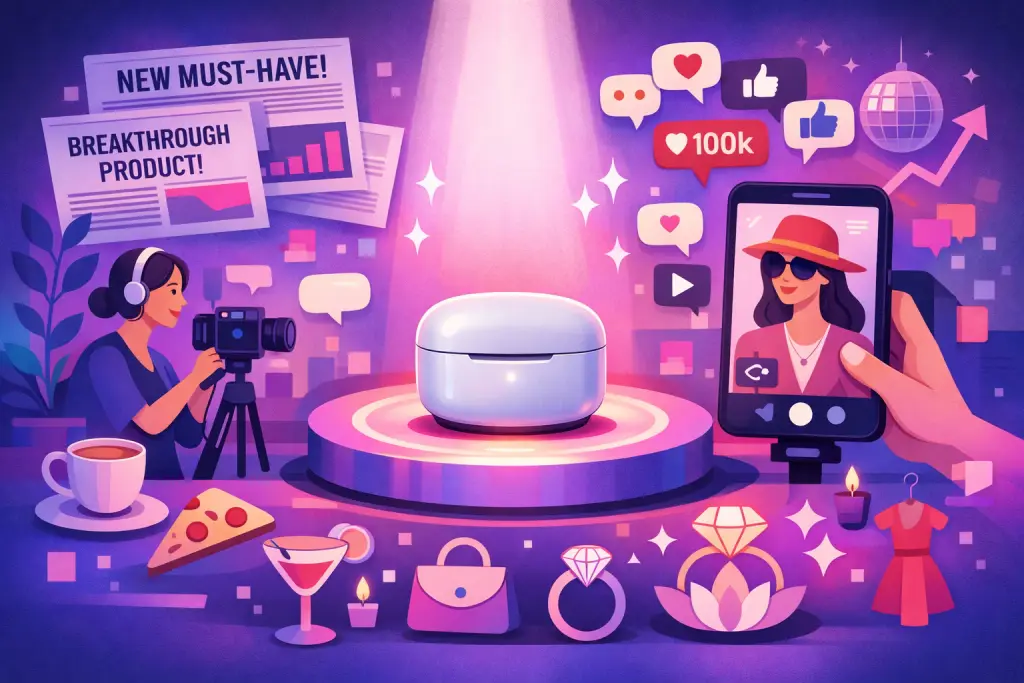
Consumer PR operates very differently from corporate or B2B communications. Consumer brands must influence emotion, lifestyle alignment, and purchase behavior. Products are discovered visually, discussed socially, and validated through trusted voices.
Modern consumer launch PR includes:
This is why consumer brands increasingly work with agencies like Jive PR + Digital that integrate PR strategy with digital insight and cultural monitoring.
Before approaching any PR agency, consumer brands must establish absolute clarity on what the launch is meant to achieve. Many launches underperform not because execution is weak, but because objectives are vague or misaligned.
Brands should clearly define:
For example, a food and beverage brand entering retail requires different PR outcomes than a wellness brand introducing a science-backed product. Apparel and fashion brands may prioritize visual storytelling and cultural alignment, while jewelry brands may focus on aspiration and emotional resonance.
Clear objectives allow PR agencies to build strategies that serve the business rather than default to generic coverage goals.

Not all PR agencies understand consumer behavior. Consumer-focused agencies recognize that products must fit into lifestyles, routines, and identities.
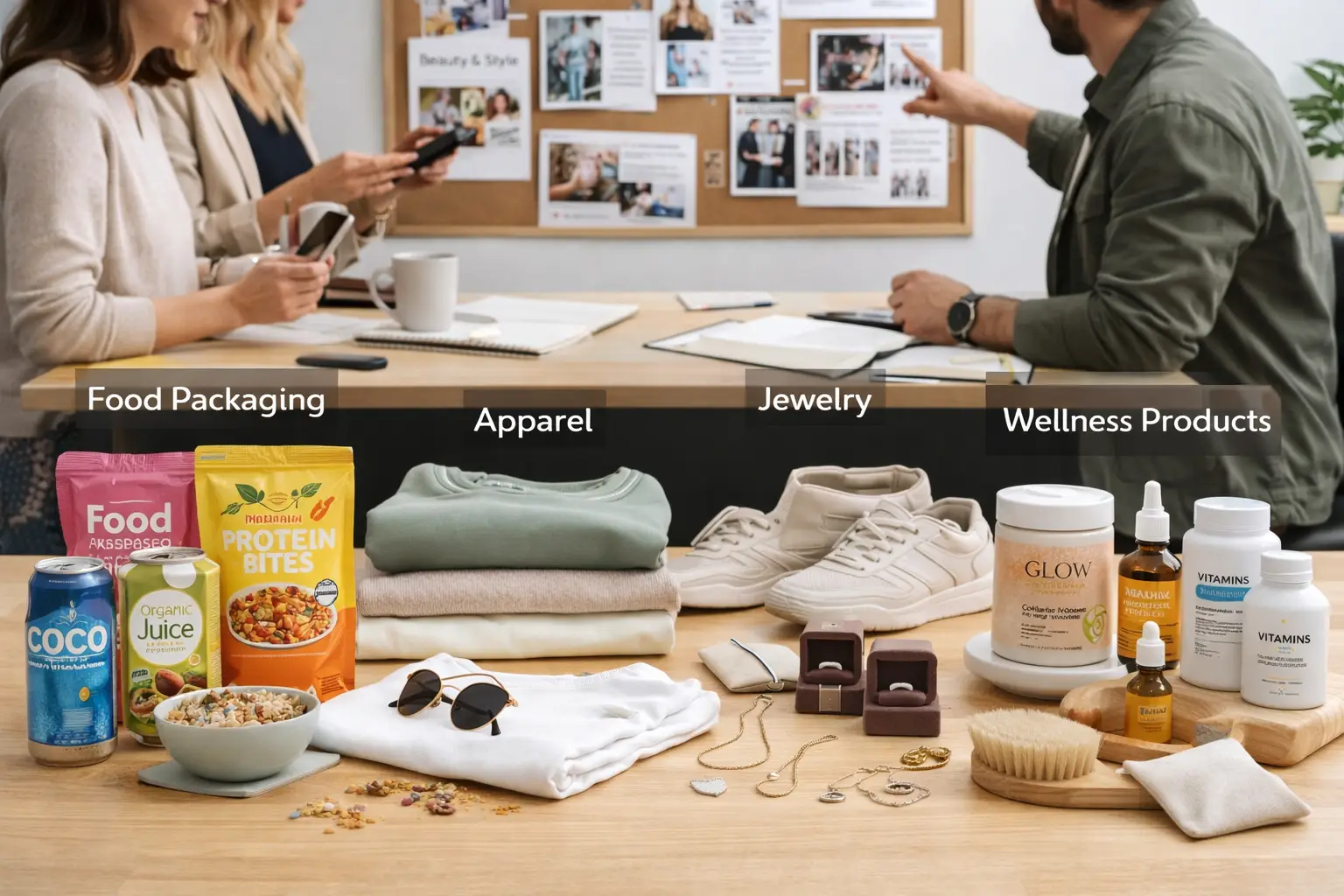
Food and beverage PR is rooted in taste, habit formation, and lifestyle integration.
A strong agency in this category understands:
Food and beverage launches succeed when PR makes products feel essential, repeatable, and culturally relevant.
Apparel PR sits at the intersection of function, identity, and lifestyle.
A capable apparel PR agency should:
Apparel launches succeed when products are framed as solutions to how people live, move, and express themselves.
Fashion PR requires cultural fluency and visual storytelling expertise.
Strong fashion PR agencies:
Fashion launches gain traction when they align with cultural mood rather than chasing trends too late.
Jewelry PR is driven by emotion, craftsmanship, and meaning.
Effective jewelry PR agencies:
Jewelry launches succeed when they feel personal, timeless, and intentional.
Health and wellness is one of the most trust-sensitive consumer categories.
A capable PR agency in this space understands:
Wellness launches require authority before awareness. PR plays a critical role in building that authority.
Many consumer brands make the mistake of judging PR agencies based on the size of their media lists. Media lists alone do not drive outcomes. Strategy determines whether coverage lands, resonates, and influences consumer behavior.
A strong consumer PR agency approaches media strategically, not transactionally. This means understanding why a story matters to a journalist and how it fits into what audiences are already consuming.
When evaluating media strategy, consumer brands should look for:
For example, a food and beverage brand may require different story framing for a health publication versus a lifestyle platform. A fashion or apparel launch may need different positioning across trend-focused media and business-focused outlets. Jewelry brands require aspirational storytelling, while health and wellness brands demand credibility-led narratives.
Strong PR agencies lead with relevance, context, and insight. They understand that journalists respond to stories that reflect consumer behavior and cultural shifts, not brand announcements alone.
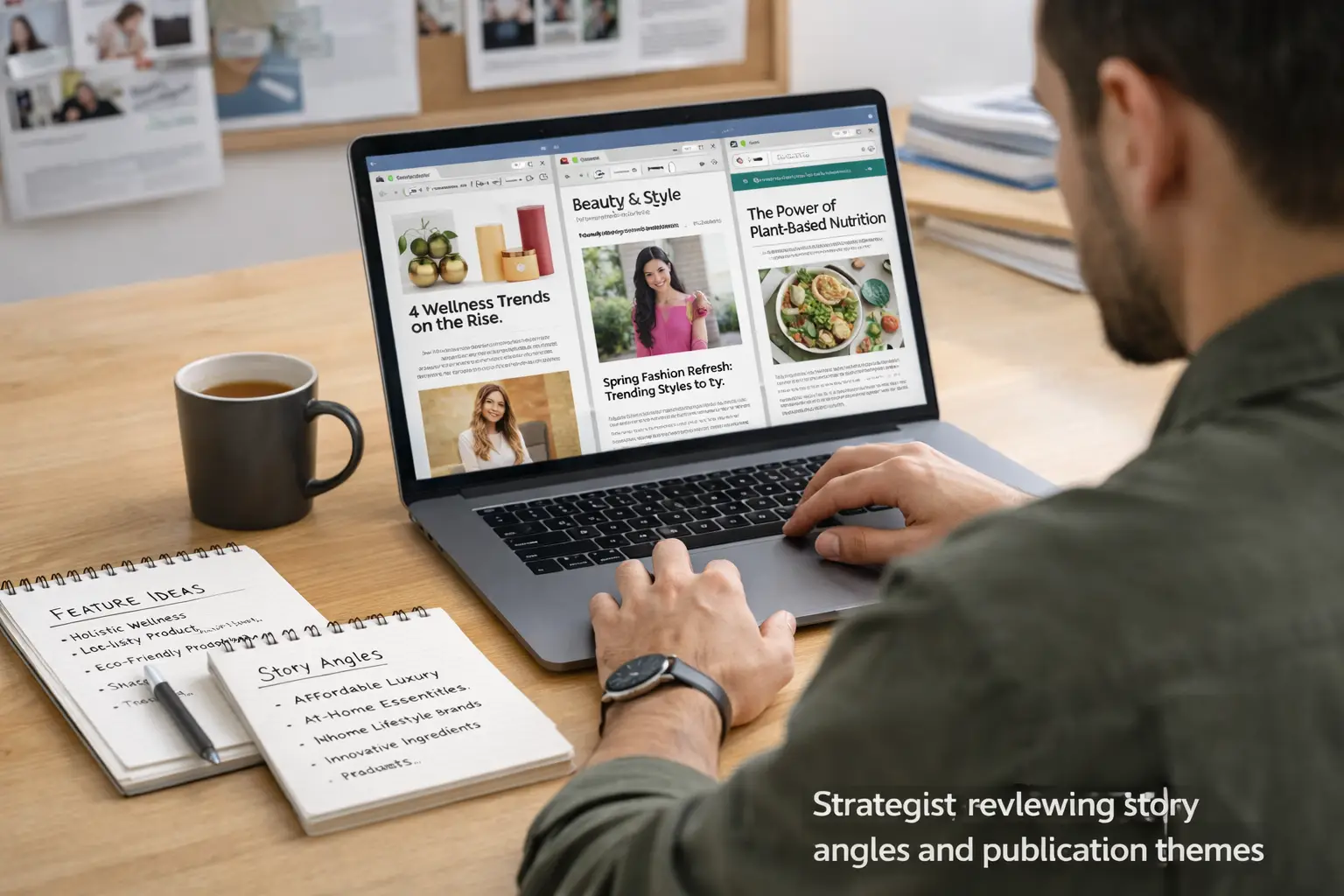
Consumer products live inside culture. PR agencies must understand what audiences care about right now and how cultural context influences purchasing decisions.
A capable consumer PR agency actively monitors:
For food and beverage brands, this may involve shifts in eating habits or ingredient awareness. For fashion and apparel, cultural relevance may come from identity, comfort, or sustainability conversations. Jewelry brands often align with emotional milestones and personal storytelling. Health and wellness brands must track evolving attitudes toward mental health, fitness, and preventive care.
PR agencies with strong cultural intelligence help brands launch products that feel timely and aligned rather than reactive or disconnected.

Influencers and creators play a central role in modern consumer discovery. However, effective PR agencies use creators strategically, not as amplification tools alone.
When evaluating agencies, brands should understand:
For food and beverage brands, creators help normalize products within daily routines. Apparel and fashion brands rely on creators to show real-world styling and wearability. Jewelry brands benefit from creators who communicate emotional connection and meaning. Health and wellness brands require creators with authority and audience trust.
The strongest agencies treat creators as an extension of earned media. Their content reinforces credibility and accelerates discovery rather than feeling promotional.

A professional consumer PR agency should operate with a clear and repeatable launch framework. Without structure, launches risk inconsistency and missed opportunities.
A strong launch framework typically includes:
Food and beverage launches may require sampling and experiential storytelling. Fashion and apparel launches often align with seasonal drops and cultural moments. Jewelry launches benefit from slow build storytelling. Health and wellness launches require careful pacing and credibility reinforcement.
Structure ensures that every stage of the launch supports long-term brand building rather than short-term noise.

Consumer PR success should be evaluated through meaningful impact, not volume metrics alone.
Brands should assess:
For consumer brands, PR works cumulatively. A single feature may introduce a product, while repeated storytelling builds trust and preference over time.
Effective agencies report not just where coverage appeared, but what narratives resonated and how perception shifted. This allows brands to refine strategy and strengthen future launches.

Consumer product launches are not one-time announcements. They are critical moments that shape how brands are perceived, trusted, and remembered. A strong launch creates long-term impact, while a weak one can limit momentum and credibility.
The right PR agency understands that visibility alone is not enough. Cultural relevance drives discovery, trust builds preference, and consistent storytelling strengthens brand memory over time. PR is most effective when narratives extend beyond launch day and continue to evolve across media and creators.
For food and beverage, apparel, fashion, jewelry, and health and wellness brands, PR should function as a strategic partner rather than a tactical service. Agencies that understand category nuances and real-world consumer behavior are best positioned to build brands that last, not just generate coverage.
Choose a PR agency that specializes in consumer brands and has experience launching products in your category. Look for strong storytelling, media strategy, and cultural awareness rather than just media lists or coverage volume.
A PR agency should have proven experience launching consumer products, with knowledge of category-specific media, consumer behavior, and creator integration. Case studies and clear launch processes are key indicators.
Brands should hire a PR agency at least three to four months before launch to allow time for planning, media education, and influencer seeding. Early engagement leads to stronger results.
PR agencies secure coverage by pitching products through relevant stories, trends, and consumer insights. This approach increases credibility and improves chances of meaningful media placement.
Success is measured by message consistency, quality of media coverage, audience relevance, and long-term brand visibility. Effective PR focuses on impact rather than volume alone.