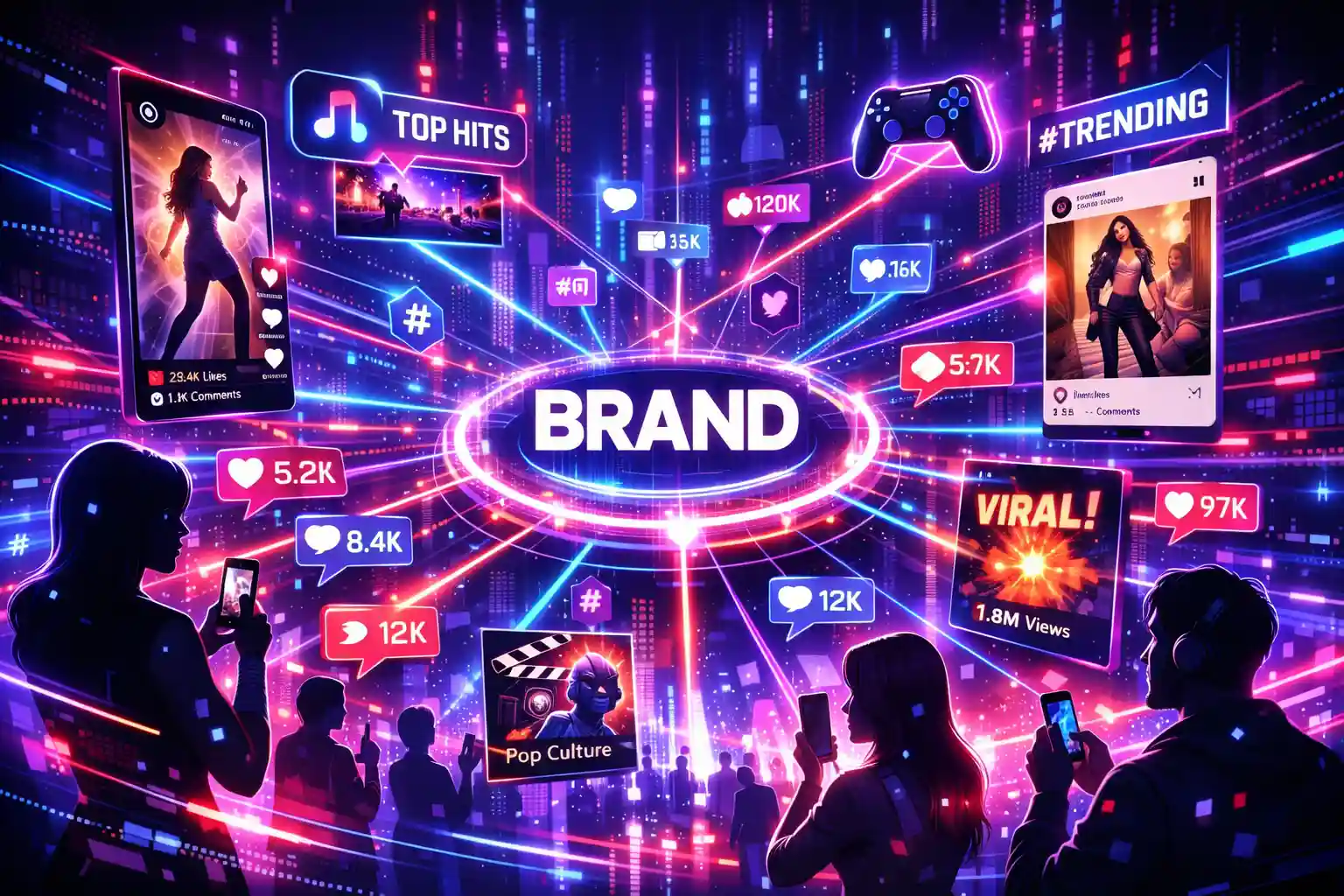

Global brand activation has become one of the most important growth levers for modern brands operating across borders. Audiences today discover products, stories and cultural moments without geographic limitations. A campaign launched in one market can be seen, shared, remixed and interpreted globally within minutes. Social platforms, digital media and creator ecosystems have removed traditional boundaries, creating an environment where brand perception is shaped simultaneously across regions.
For brands seeking worldwide impact, global visibility alone is no longer sufficient. Presence without purpose can dilute meaning rather than build equity. Activation must feel cohesive across regions while remaining sensitive to local context, cultural nuance and audience expectations. Top PR agencies now operate as orchestrators of global narratives, aligning strategy, culture, media and execution to ensure brands show up consistently, credibly and meaningfully wherever audiences engage.

The modern media environment is inherently borderless. Social platforms, digital publications and creator ecosystems allow stories to move instantly across regions, industries and communities. A campaign launched in one market can quickly influence perception in many others. This creates a significant opportunity for brands to scale awareness and relevance. It also introduces risk. Without intentional coordination, global exposure can lead to fragmented narratives, inconsistent positioning, or cultural missteps that undermine credibility.
Global brand activation matters because it allows organizations to shape perception across markets with purpose rather than reaction. Instead of managing visibility market by market, activation provides a framework for aligning storytelling, timing and execution worldwide. This alignment ensures that audiences encounter consistent meaning even when messages are adapted for local relevance. Brands are no longer judged solely by presence. They are evaluated by coherence, cultural awareness and authenticity across touchpoints.
When executed effectively, global brand activation builds familiarity, trust and momentum that compound over time. Repeated exposure to aligned narratives strengthens brand memory and credibility. Activation enables participation in global conversations while maintaining relevance at the regional and local level. It transforms reach into recognition and recognition into lasting impact rather than diluted awareness.
Global brand activation is the strategic execution of a unified brand narrative across multiple markets with intentional adaptation for cultural context. It goes beyond international press outreach or translated campaigns. Activation connects storytelling, culture, earned media, creators and experiences into a coordinated effort designed to create impact at scale.
Unlike simple multi-market execution, true global activation recognizes that audiences interpret messages through cultural, social and behavioral lenses. A story that resonates in one region may require different framing in another to maintain the same meaning. The goal is consistency in narrative intent rather than uniformity in execution. Brands succeed when they protect the core idea while allowing flexibility in how that idea is expressed.
Effective global brand activation requires strategic planning, cultural intelligence and cross-market coordination. It aligns central messaging with regional insight, ensuring relevance without fragmentation. Activation turns global presence into global understanding by connecting brand purpose with real-world context. When done well, it creates a shared narrative that travels across borders while still feeling local, credible and human.

Global PR has evolved from regionally siloed execution into more integrated and coordinated efforts across markets. In the past, campaigns were planned market by market with separate timelines, agencies and messaging priorities. Stories were created for local relevance, often without considering how they might travel beyond regional boundaries.
Today, that separation no longer exists. Cultural moments move instantly across platforms and geographies. A campaign launched in one market can shape global perception within hours, whether intended or not. Social media, creators and global news cycles have erased traditional borders, making alignment more critical than ever.
As a result, global PR now requires greater foresight and coordination. Agencies must anticipate how narratives will be interpreted across cultures and manage timing, tone and amplification carefully. Messaging must remain consistent while allowing room for regional nuance. Global brand activation is no longer about uniform rollout, but about creating aligned stories that feel relevant and credible in every market.
This shift has changed the role of PR agencies. They now act as strategic partners responsible for guiding narratives at scale. Continuous monitoring, cultural intelligence and adaptability are essential. Successful global brand activation depends on understanding not just where a story launches, but how it travels and influences perception across borders over time.
Successful global brand activation begins with a clear and unified narrative that can scale across markets without losing meaning. Brands must define what they stand for, why they exist and what role they play in the lives of their audiences before any execution begins. This central narrative acts as an anchor, ensuring that all markets are aligned around the same core story even when local adaptation is required. Without a strong narrative foundation, global campaigns risk becoming fragmented, inconsistent, or confusing as they expand across regions.
Cultural intelligence forms the second critical pillar. Global activation is not about replicating messages but about understanding how shared values intersect with regional differences. Effective agencies study cultural behaviors, sensitivities and expectations in each market to ensure relevance without stereotyping. This understanding allows brands to participate in global conversations while still feeling authentic and respectful at the local level.
Integration across earned media, creators and experiences provides the structure needed to reinforce the narrative consistently. Earned coverage builds credibility, creator storytelling brings relatability and experiential elements deepen engagement. When these channels operate in alignment, audiences encounter the same story through multiple touchpoints, strengthening recall and trust.
Finally, coordination and timing determine whether global activation builds momentum or loses impact. Strategic sequencing across markets ensures that stories amplify one another rather than compete for attention. When narrative clarity, cultural intelligence, integrated execution and precise coordination work together, brands achieve a sustainable global impact that extends beyond a single campaign moment.

Cultural intelligence is a foundational requirement for successful global brand activation. It goes far beyond translating language or adjusting visual elements for different regions. True cultural intelligence involves understanding values, behaviors, humor, social norms and sensitivities that shape how audiences interpret messages. What feels authentic and engaging in one market may feel irrelevant or even offensive in another if the cultural context is ignored.
In global campaigns, culture influences how people relate to brands, how trust is formed and how credibility is earned. PR agencies must understand how historical context, social expectations and regional media habits impact perception. Without this understanding, even well-intentioned campaigns risk misalignment or backlash that can undermine global momentum.
Top PR agencies invest heavily in cultural insight as part of strategic planning. They conduct research, monitor regional conversations and work closely with local experts to identify shared global themes alongside meaningful differences. This allows brands to maintain a consistent narrative while adapting tone, examples and execution to align with local norms. Cultural intelligence ensures that messaging feels intentional rather than generic.
By applying cultural intelligence, brands are able to participate in global conversations without appearing disconnected or tone deaf. Campaigns feel grounded in real human behavior rather than abstract global messaging. This approach supports trust building over time and encourages long-term engagement. Cultural intelligence ultimately shifts global activation from attention seeking to relevance-driven storytelling that resonates across borders.
Top PR agencies rely on structured global activation frameworks to manage the complexity of multi-market campaigns. Without a clear framework, global efforts can become fragmented and inconsistent. Strong frameworks provide clarity while allowing flexibility across regions.
Strategy is typically centralized to define positioning, core messaging and success criteria. This ensures all markets operate from a shared foundation and contribute to a unified global narrative. Central teams establish messaging priorities and tone guidelines to maintain consistency.
Execution is localized to ensure cultural relevance. Regional teams adapt narratives based on language, media norms and audience expectations while staying aligned with global direction. Clear messaging guidelines act as guardrails rather than scripts, allowing flexibility without losing coherence.
Shared systems support communication, reporting and real-time optimization across markets. These frameworks transform complexity into coordination, ensuring each region strengthens a single global story rather than operating independently.

Media strategy plays a central role in successful global brand activation because it determines how stories travel across markets and how they are interpreted in different contexts. Global activation requires more than securing coverage in well-known international publications. It demands a thoughtful balance between global, regional and local media outlets to reach audiences at varying levels of awareness and familiarity.
Global media helps establish authority, credibility and scale. It positions brands as relevant players within broader conversations that cross borders. Regional outlets provide contextual depth by connecting global narratives to regional trends, behaviors and market dynamics. Local media builds trust within communities by making brands feel present, accessible and culturally aligned. Effective PR agencies tailor narratives for each media layer while preserving message consistency. Coordinated timing, embargo management and clear communication across markets ensure stories reinforce one another rather than compete for attention.
Creators are central to global brand activation because they humanize brands and translate messaging into relatable experiences. Through creators, stories travel organically across platforms and markets, often faster than traditional media coverage. However, maintaining authenticity becomes more complex as campaigns scale globally.
Top PR agencies balance creators with international reach and those with strong local credibility. Global creators help unify messaging and amplify visibility, while local creators provide cultural nuance and community trust. Content must align with overarching brand narratives while respecting platform norms, language differences and cultural expectations in each region. When executed thoughtfully, creator storytelling complements earned media by reinforcing key messages, increasing understanding and building trust across regions without feeling manufactured or transactional.

Measuring the success of global brand activation requires a more sophisticated approach than tracking impressions alone. While reach provides surface-level visibility, it does not indicate whether messages were understood or whether they resonated across cultures.
Top PR agencies assess whether narratives are landing consistently across markets and whether cultural resonance is achieved. Key indicators include message pull-through, sentiment, engagement quality at a regional level and alignment between global and local storytelling. Performance insights allow agencies to adjust execution during campaigns and refine strategy for future activations. Measurement ensures that global impact reflects meaningful influence, credibility and relevance rather than temporary exposure.
Global brand activation introduces inherent challenges that can quickly undermine effectiveness if not managed carefully. Cultural misalignment is one of the most significant risks, as messaging that resonates in one market may appear tone deaf or inappropriate in another. Operational complexity also increases as campaigns scale, making coordination across regions more difficult.
Inconsistent messaging across markets can weaken brand perception and create confusion. Top PR agencies anticipate these challenges by establishing a clear strategy, strong communication systems and cultural insight frameworks. Preparedness, alignment and coordination are just as important as creativity in protecting brand reputation and maintaining impact across regions.

When evaluating PR agencies for global brand activation, brands should look beyond geographic footprint or office count. Experience managing coordinated multi-market campaigns matters more than physical presence alone.
Brands should assess how agencies approach strategy development, cultural intelligence, cross-market coordination and performance measurement. Transparency around process, adaptability to regional needs and clarity in communication are strong indicators of partnership strength. The most effective agencies act as global stewards of the brand, ensuring alignment and consistency while empowering local relevance rather than operating as disconnected regional executors.
Jive PR + Digital approaches global brand activation through culture-led strategy and integrated execution. The agency focuses on developing narratives that travel across borders while remaining grounded in regional nuance and real-world context.
By aligning PR, creator strategy and digital insight, Jive ensures campaigns remain cohesive across markets and adaptable where needed. Performance data informs ongoing optimization, while cultural intelligence guides storytelling decisions. This approach allows brands to build relevance, credibility and sustained global momentum rather than relying on one-time visibility or isolated regional wins.
Global brand activation is not about being present everywhere at once. It is about showing up meaningfully wherever audiences engage and ensuring that presence feels intentional and relevant. Brands that succeed globally balance scale with sensitivity and consistency with flexibility.
Choosing the right PR agency partner is essential to achieving this balance. Agencies that understand culture, coordination and storytelling help brands earn trust across markets and maintain credibility over time. When executed thoughtfully, global brand activation creates impact that extends far beyond individual campaigns and supports long term worldwide relevance.
Global brand activation is the coordinated execution of a unified brand narrative across multiple markets with cultural adaptation. Unlike traditional international PR, it focuses on consistency of meaning rather than identical messaging, ensuring stories feel relevant and credible worldwide.
Global activation requires strategic coordination, cultural intelligence, and cross-market execution. PR agencies provide the structure, insight, and oversight needed to manage narratives at scale while avoiding fragmentation or cultural misalignment.
Top agencies establish a centralized strategy and core narrative, then allow localized execution within clear messaging guidelines. This ensures consistency in positioning while giving regions flexibility to adapt for cultural relevance.
Success is measured through message pull-through, regional sentiment, engagement quality, and alignment between global and local storytelling. These metrics show whether narratives resonate rather than just how widely they appear.
Brands should prioritize agencies with proven global coordination experience, strong cultural intelligence, clear strategic frameworks, and transparent performance measurement. Strategic thinking and execution capability matter more than size or geographic footprint.