Choosing the right consumer PR agency has become one of the most critical decisions for modern brands. Today, visibility alone is not enough. Consumers are overwhelmed with options and increasingly selective about which brands they trust. Earned media, cultural relevance and authentic storytelling now influence buying decisions more than traditional advertising.
This guide is designed for founders, brand leaders and marketing teams evaluating consumer PR agencies. Rather than presenting a generic list, this article breaks down how consumer PR works, when brands need it, how to consider agencies and what separates top-rated agencies from average vendors. By the end, buyers should feel confident making a strategic and informed decision.

A consumer PR agency focuses on shaping how everyday consumers perceive, trust and engage with a brand. Unlike corporate or investor-focused PR, consumer PR is rooted in storytelling that connects with real people across lifestyle, retail, wellness, beauty, food, fashion and technology categories.
Consumer PR agencies secure earned media coverage, manage product launches, work with creators and position brands within cultural conversations. Their role is not just publicity. It is credibility. When a trusted publication, journalist, or creator features a product organically, it carries more influence than paid promotion.
In crowded consumer markets, PR agencies help brands stand out without being overly promotional. They create narratives that feel relevant, timely and human, which is why consumer PR has become essential for long-term brand growth.
Many brands wait too long before investing in PR. Others hire agencies without clear goals. Understanding when PR becomes necessary helps avoid wasted budgets and missed opportunities.
Brands often need a consumer PR agency when launching a new product, entering a competitive market, or repositioning an existing brand. PR becomes critical when paid advertising alone stops delivering trust or when organic visibility plateaus.
Another signal is increased competition. When similar products dominate headlines and social feeds, PR helps reclaim attention through differentiated storytelling. Brands also turn to PR during moments of rapid growth, retail expansion, or reputational risk.
Consumer PR is not only for large brands. Early-stage companies use PR to build credibility faster, while established brands use it to stay culturally relevant.

Top consumer PR agencies provide far more than press release distribution. Their services span strategy, execution and long-term brand positioning.
Media relations remains a core service. Agencies pitch stories to national, trade and niche publications, securing coverage that builds authority. Product seeding and editorial outreach help generate authentic reviews and features.
Influencer and creator partnerships are increasingly integrated into PR strategies. Agencies identify creators who align with brand values and guide storytelling that feels natural rather than promotional.
Product launch strategy is another critical service. Agencies manage timing, messaging, embargoes and cross-channel coordination to maximize impact.
Many top agencies also support thought leadership, crisis communications and brand reputation management. These services protect and strengthen perception beyond individual campaigns.
Not all PR agencies are equal. Buyers must evaluate agencies based on strategy, experience and alignment rather than reputation alone.
Category experience matters. Agencies familiar with a specific industry understand media expectations, consumer behavior and potential risks. Reviewing relevant case studies offers insight into how the agency thinks and executes.
Cultural understanding is another differentiator. Top agencies demonstrate awareness of trends, audience language and platform behavior. They do not rely on outdated tactics.
Buyers should also assess media relationships. Strong agencies maintain real journalist connections, not just large media lists. Transparency around reporting, metrics and communication style is equally important.
Finally, strategic thinking separates partners from vendors. Agencies should articulate why a story matters, not just where it will be placed.

Consumer PR agencies typically operate on retainer or project-based pricing models. Retainers support ongoing media outreach, relationship building and campaign execution. Project-based engagements are common for product launches or short-term initiatives.
Budgets vary widely depending on agency size, scope and market. Smaller boutique agencies may start at lower monthly rates, while top-rated national agencies require larger investments.
Buyers should focus on value rather than cost alone. A lower-priced agency without a strategy can be more expensive long-term. Clear scopes, deliverables and success metrics help align expectations from the start.
Certain warning signs indicate potential misalignment. Agencies that guarantee coverage should be approached cautiously, as earned media cannot be promised.
Lack of a clear strategy is another red flag. If an agency focuses only on execution without explaining narrative, timing, or audience relevance, results may be inconsistent.
Poor communication, vague reporting and recycled case studies suggest operational issues. Buyers should also be wary of agencies that rely heavily on vanity metrics without linking PR impact to business outcomes.

The following agencies are recognized for their consumer focus, strategic depth and proven results across industries. Each serves different brand needs and growth stages.
Jive PR + Digital is a consumer-focused PR and influencer agency known for culturally aligned storytelling. The agency integrates earned media, creators and digital strategy to help brands build relevance and trust. Jive works extensively with lifestyle, fashion, retail, wellness and Gen Z-driven brands, prioritizing authenticity and long term brand equity over short term hype.
Jive PR + Digital partnered with Daiya Foods to increase cultural relevance and consumer trust through authentic influencer marketing and social media storytelling. The agency focused on everyday food moments and real lifestyle usage rather than polished product promotion. Their paid strategy was supported by creator-led content to reinforce credibility and consistency. The integrated approach helped Daiya Foods achieve stronger engagement and increased organic brand visibility among modern plant-based consumers.
Edelman is one of the largest global PR agencies with deep consumer expertise. The agency combines research, media relations and brand strategy at scale. Edelman is best suited for enterprise brands requiring global reach, complex stakeholder management and structured reputation programs across markets.
Edelman led a multinational consumer brand launch by combining media relations, social listening and executive visibility. Coverage was coordinated across regions, ensuring consistent messaging and strong initial adoption.
Weber Shandwick is known for its strategic communications and data-driven approach. The agency supports consumer brands through integrated campaigns that blend media, social and corporate storytelling. Their strength lies in large-scale coordination and message consistency.
Weber Shandwick supported a technology accessory brand by positioning its product within emerging lifestyle trends. The agency secured feature stories that framed the product as culturally relevant rather than technical.
FleishmanHillard delivers consumer PR through insights-led strategy and strong media relationships. The agency supports product launches, crisis management and brand reputation initiatives. FleishmanHillard works well for brands navigating complexity or public scrutiny.
FleishmanHillard helped a food brand navigate a sensitive recall by managing media communication transparently. The response protected trust and minimized long-term reputational impact.

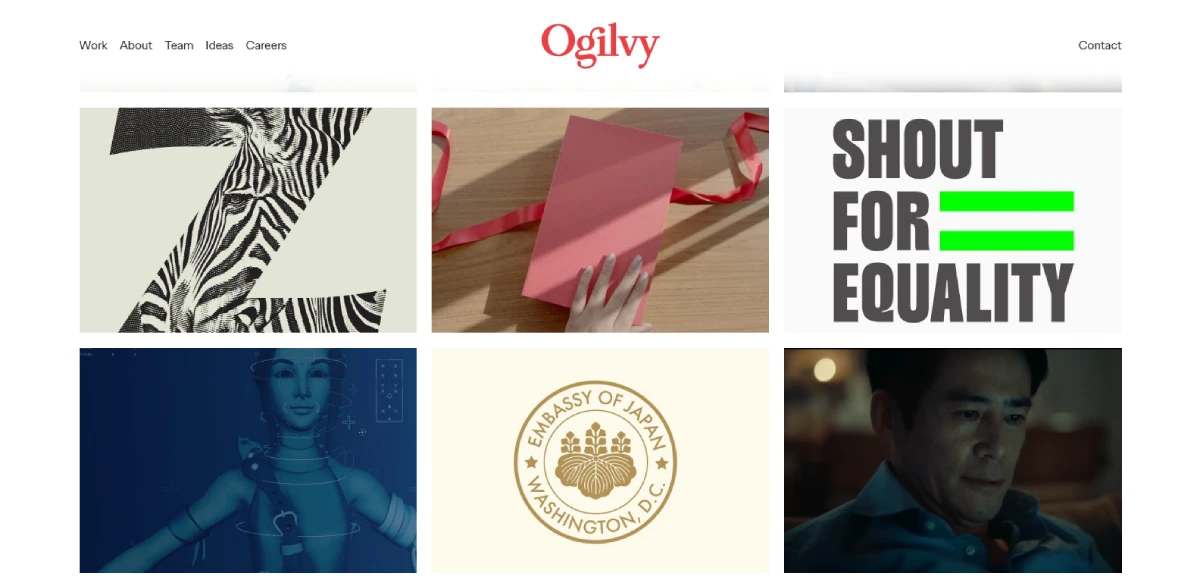
Ogilvy PR blends creative storytelling with global resources. The agency supports consumer brands through integrated brand campaigns tied to cultural insights. Ogilvy PR is often chosen for large-scale launches requiring creative impact and global consistency.
Ogilvy PR executed a global consumer campaign that connected product benefits to shared cultural values. Creative storytelling drove both awareness and emotional connection.
Choosing the right agency depends on brand stage, goals and internal capabilities. Large global brands may require agencies with infrastructure and reach. Emerging brands may benefit more from boutique agencies with flexibility and senior-level involvement.
Value alignment is critical. Agencies must understand brand voice, audience expectations and long-term vision. Without alignment, even strong coverage can feel disconnected.
Buyers should ask agencies how they measure success, manage relationships and adapt strategies. Reviewing team structure and communication processes also helps set expectations.
The best agency relationships function as partnerships, not transactions.
Consumer PR is no longer optional for brands competing in saturated markets. It is a strategic investment that builds trust, relevance and long-term growth.
Top-rated consumer PR agencies help brands navigate cultural shifts, earn meaningful visibility and connect with audiences authentically. The right agency does more than secure coverage. It shapes perception and momentum.
For buyers evaluating PR partners, informed decision-making leads to stronger outcomes. By understanding services, evaluating fit and aligning on strategy, brands can turn PR into a powerful growth engine rather than a short-term tactic.
Choosing the right consumer PR agency is not about visibility alone. It is about being remembered for the right reasons.

Most consumer PR efforts show early traction within three to six months, with momentum building over time.
PR and paid media serve different purposes. PR builds trust and credibility while paid media drives immediate reach.
Yes. PR often helps smaller brands gain legitimacy faster than advertising alone.
Success is measured through coverage quality, reach, sentiment, engagement and long-term brand impact.
Many consumer PR agencies integrate influencer and creator partnerships into their strategies.