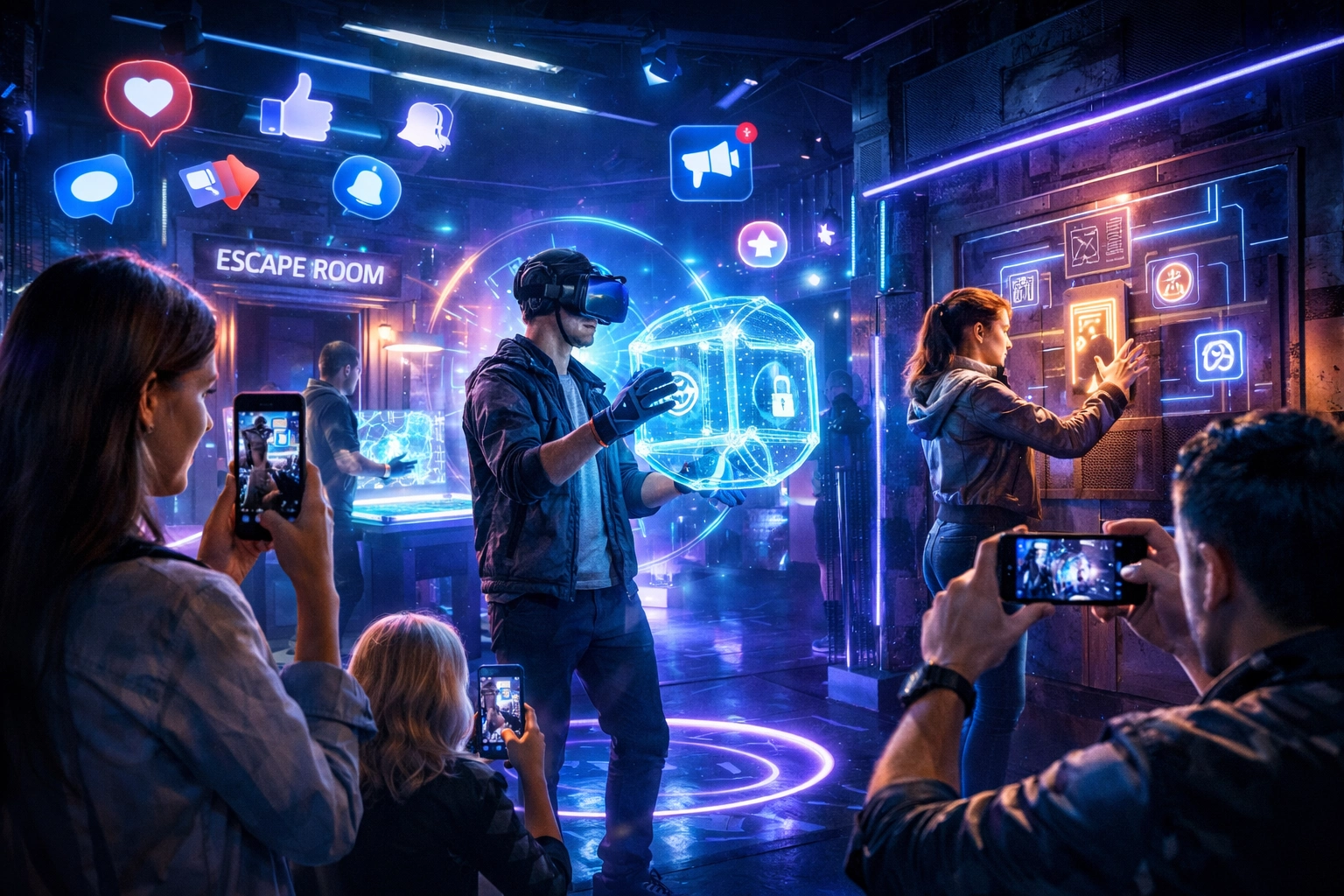
Marketing for immersive experiences has shifted dramatically. It is no longer enough to rely on traditional PR or paid advertising. Today, discovery is driven by creators.
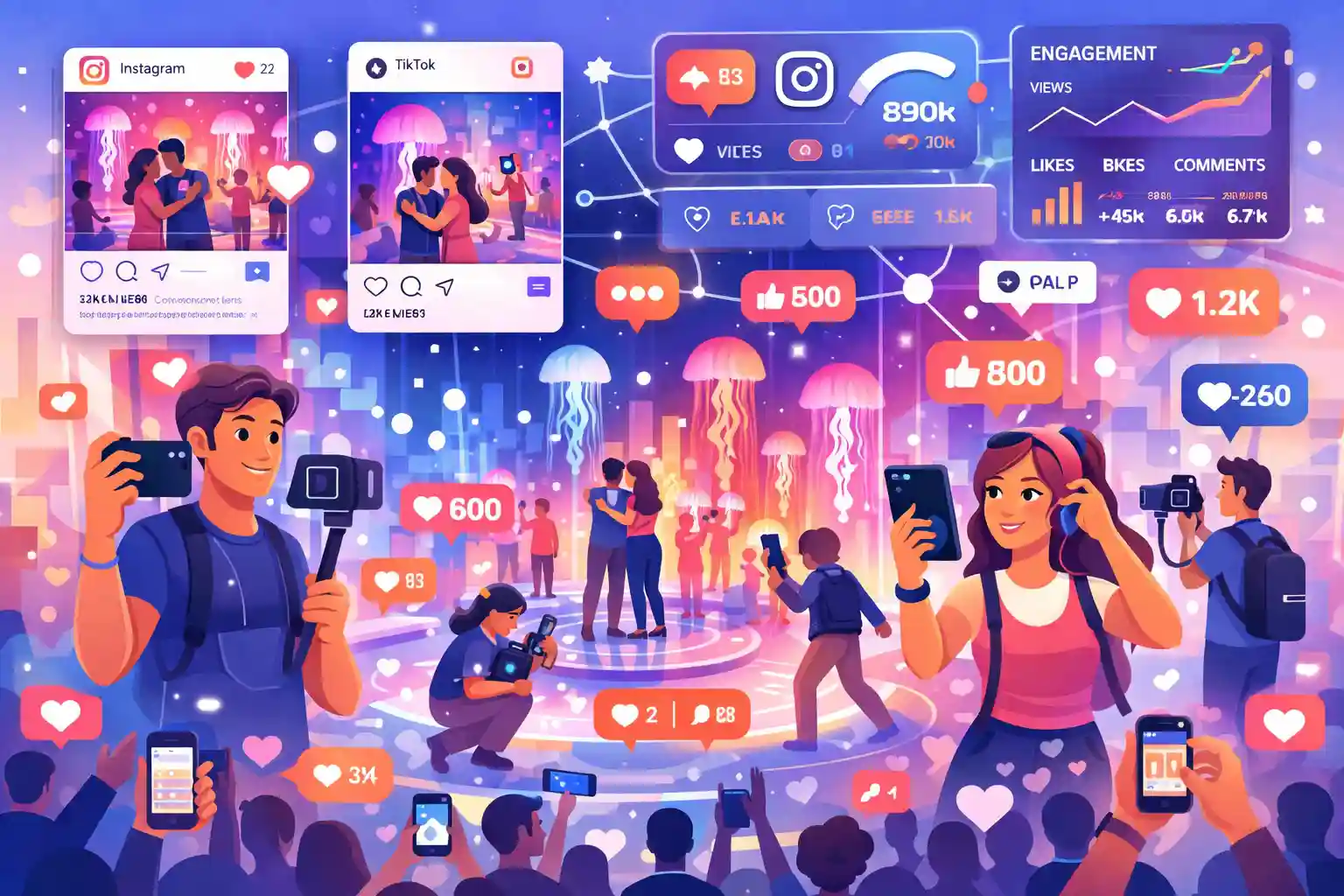
From interactive art exhibits to large-scale experiential installations, audiences are finding experiences through social media. Platforms like Instagram and TikTok have turned creators into the primary drivers of visibility, shaping what people attend, share and talk about.
This is where influencer campaigns come in.
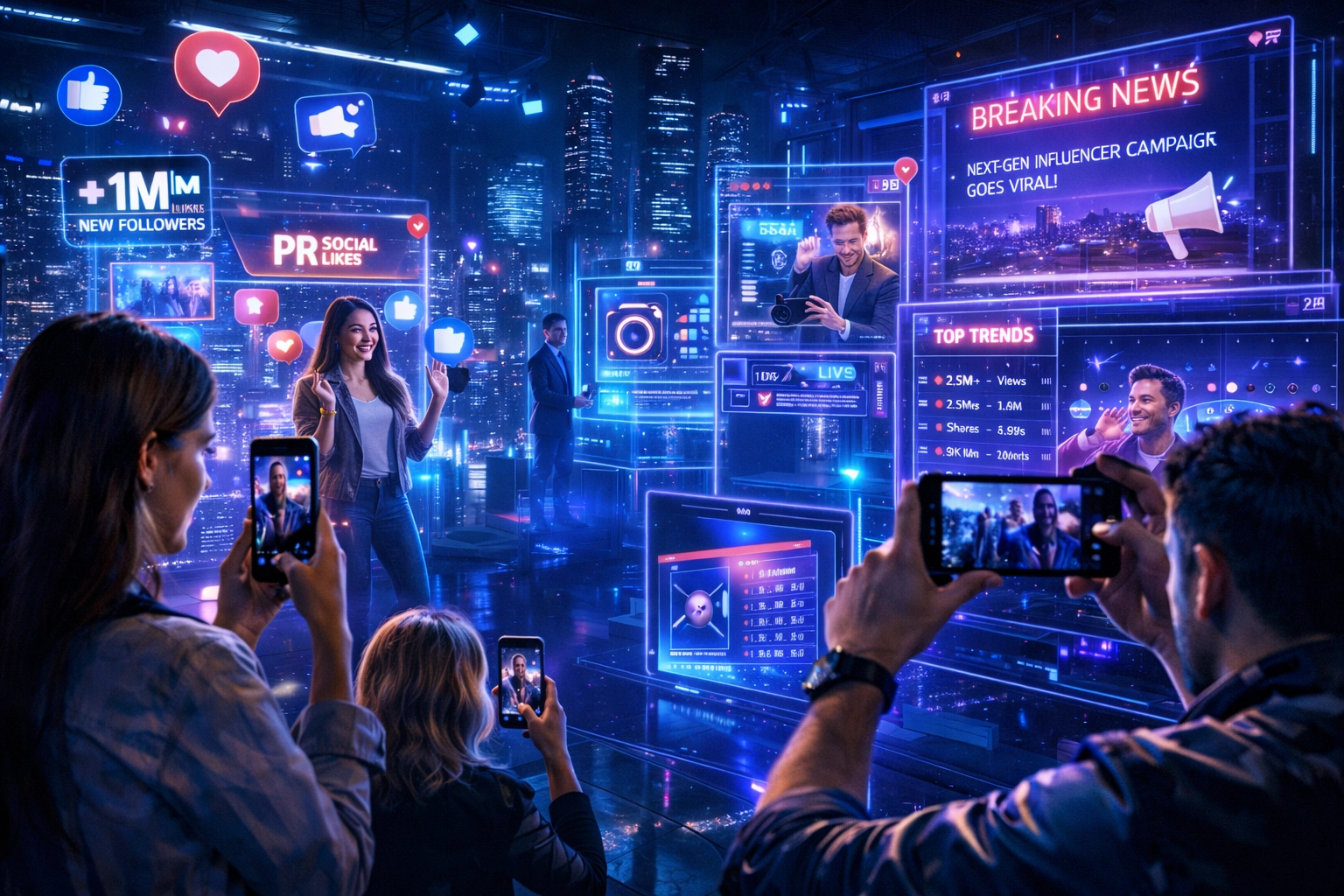
Influencer-led campaigns allow brands to insert their experiences into culture in a way that feels authentic, engaging and highly shareable. When executed well, they can turn an installation into a viral destination.
To achieve this, many brands partner with agencies that specialize in influencer marketing for experiential campaigns. Below are the top agencies known for driving impactful creator-led campaigns for art installations and immersive exhibits.
Influencer campaigns for experiential marketing involve partnering with creators to promote physical experiences through social content. Instead of relying solely on ads or press coverage, brands collaborate with influencers who showcase the experience to their audiences in a way that feels natural and engaging.
This approach allows brands to tap into existing communities, using creators as a bridge between the experience and potential visitors. Influencers translate the experience into relatable, shareable moments that resonate with their followers, making campaigns more effective than traditional promotion.
These campaigns typically include:
In many cases, campaigns extend beyond the initial launch, with creators continuing to share content that keeps the experience relevant over time. This helps maintain visibility and drive sustained attendance.
The goal is to create visibility, drive attendance and generate ongoing engagement through social sharing.
Experiential brands operate in a highly competitive and fast-moving environment. With new installations and exhibits launching frequently, standing out requires more than just creative execution.
Influencer campaigns help brands reach audiences where they are already active and engaged.
Key benefits include:
Influencer campaigns also create urgency and exclusivity, especially when audiences see experiences in real time. This drives faster decision-making and higher participation.
Experiences that perform well on social media often become cultural moments rather than one-time events.
Not all agencies are equipped to execute influencer campaigns for experiential brands. The most effective agencies combine strategy, cultural awareness and execution speed.
The most effective agencies share several capabilities:
These traits ensure campaigns are not just visible but effective and results-driven.
The agencies listed below were selected based on strategic capability, execution strength and measurable performance. Each agency demonstrates the ability to deliver influencer campaigns that drive both digital engagement and real-world results.
The agencies were evaluated based on:
These criteria ensure the selected agencies are capable of delivering impactful and measurable results.
By combining media outreach with influencer partnerships and social amplification, Jive PR + Digital drives visibility, engagement and real-world attendance. Its approach focuses on cultural relevance, ensuring campaigns align with audience behavior, platform trends and timely moments.
Jive PR + Digital is a culture-first communications agency that blends influencer marketing, public relations and social media strategy. The agency helps experiential brands insert themselves into cultural conversations through creator-led campaigns and storytelling.
Flyover partnered with Jive PR + Digital to increase awareness and drive ticket sales across key markets, including Las Vegas, Vancouver and Chicago. The campaign focused on influencer marketing, leveraging creators to showcase Flyover’s immersive, cinematic experiences through engaging and shareable content. By aligning creators with the target audience and utilizing platform-specific formats, Jive PR + Digital successfully boosted visibility, engagement and conversions while positioning FlyOver as a must-visit experiential attraction.
Results:
Avenue Z is a marketing and communications agency that combines influencer marketing with media strategy and performance marketing. The agency focuses on driving measurable results through integrated campaigns that align creative execution with data-driven insights.
Avenue Z supported an experiential brand by developing a creator-led campaign that combined influencer content with paid amplification. The campaign increased visibility, improved engagement and drove consistent audience interaction across key platforms.
inBeat Agency specializes in micro-influencer campaigns and performance-driven content. The agency focuses on scalable creator collaborations that help brands connect with targeted audiences through authentic and cost-efficient strategies.
inBeat helped an experiential brand scale awareness through micro-influencer activations, generating consistent content and strong engagement across social platforms while maintaining ongoing visibility.
Viral Nation is a global influencer marketing agency known for large-scale creator campaigns and performance-driven strategies. The agency helps brands reach broad audiences through its extensive influencer network and data-backed approach.
The agency supported an experiential campaign by activating multiple influencers simultaneously, generating high impressions, strong engagement and increased audience interest across platforms.
Amra & Elma is an influencer marketing agency known for working with lifestyle and luxury brands. The agency focuses on curated creator partnerships and visually strong campaigns that enhance brand positioning.
Amra & Elma supported an experiential activation by partnering with lifestyle influencers to create visually engaging content that increased brand visibility and strengthened audience interest.
Edelman is a global communications firm that integrates influencer marketing with PR and brand strategy. The agency supports large-scale campaigns with a focus on credibility, reach and long-term impact.
Edelman has executed influencer-led campaigns for experiential brands by combining media outreach with creator partnerships, helping drive visibility and consistent audience engagement.
5WPR is a full-service PR agency that has expanded into influencer marketing and social media campaigns. The agency works with consumer brands to deliver integrated strategies that increase visibility and engagement.
5WPR supported an experiential campaign by combining influencer activations with media outreach, helping increase awareness and improve audience engagement across platforms.
Agencies typically use several approaches to execute successful campaigns, combining creativity with platform-specific execution to maximize impact:
These strategies are often used together to create a consistent flow of content before, during and after the experience. When executed well, they help maximize reach, engagement and attendance while keeping the experience culturally relevant over time.
Even well-designed influencer campaigns can underperform if strategy and execution are not aligned.
Avoiding these mistakes is essential for campaign success, as influencer marketing depends heavily on timing, authenticity and strategic alignment.
Choosing the right agency requires more than reviewing portfolios. Brands need a partner that understands both influencer marketing and experiential campaigns.
Brands should evaluate:
The right agency should not only generate visibility but also drive participation, engagement and long-term cultural relevance.
Influencer campaigns have become a central part of marketing for art installations and experiential exhibits. They play a critical role in driving awareness, engagement and attendance in a highly competitive landscape.
The agencies listed above demonstrate how creator-led strategies can transform experiences into cultural moments. By partnering with the right agency, brands can move beyond traditional promotion and build campaigns that audiences actively discover, share and engage with.
In a category driven by visibility and cultural relevance, brands that fail to leverage influencer campaigns risk being overlooked entirely.
Influencer marketing agencies help experiential brands promote art installations and immersive exhibits through creator-led campaigns. They identify relevant influencers, manage collaborations and create content strategies that increase visibility, engagement and audience attendance. The focus is on turning experiences into shareable moments that reach the right audience.
Influencer campaigns increase attendance by creating pre-launch buzz, generating real-time content, and encouraging social sharing. When creators showcase an experience to their audiences, it builds interest and urgency, which often translates into higher ticket sales and foot traffic.
Influencers play a key role in experiential marketing because they help brands connect with audiences authentically. Their content feels more relatable than traditional advertising, making it easier to build trust, drive engagement, and position experiences within current cultural trends.
Agencies select influencers based on audience relevance, engagement rates, content style, and alignment with the brand. Instead of focusing only on follower count, they prioritize creators who can genuinely connect with the target audience and create content that drives both interest and attendance.
Brands should look for agencies with experience in experiential campaigns, strong creator networks, and the ability to execute quickly. It’s also important that the agency can integrate influencer marketing with PR and social media to deliver consistent and measurable results.