Influencer marketing has evolved far beyond one-off sponsored posts and simple brand collaborations. Today, it plays a critical role in how consumer brands build awareness, establish trust, and influence purchase decisions across categories like fashion, beauty, wellness, food, and lifestyle.
As the creator economy has grown, so has the number of influencer marketing agencies. From boutique firms working with niche creators to global agencies managing large-scale, multi-market campaigns, brands now have more choices than ever. But more options have also made the decision more complex.
The real challenge for brands isn’t finding an influencer marketing agency, it’s finding the right one. The wrong partner can lead to inauthentic content, poor creator fit, and short-term results that don’t translate into lasting brand value. The right agency, on the other hand, can help brands build cultural relevance, credibility, and long-term creator relationships that compound over time.
This blog is not just a list of agencies. It’s a practical guide to understanding how influencer marketing agencies differ, what they actually do beyond creator outreach, and how brands can evaluate fit based on their goals, growth stage, and audience.
Many brands assume influencer marketing agencies simply connect them with creators. In reality, the best agencies operate at a much deeper strategic level.
Strong influencer marketing agencies typically support brands with:
The difference between average and high-performing agencies is not access to creators, it’s how thoughtfully they connect creators, content, and business outcomes.
Before looking at any “top” list, brands need a framework for evaluation. The best agency for one brand may be completely wrong for another.
Key factors to consider include:
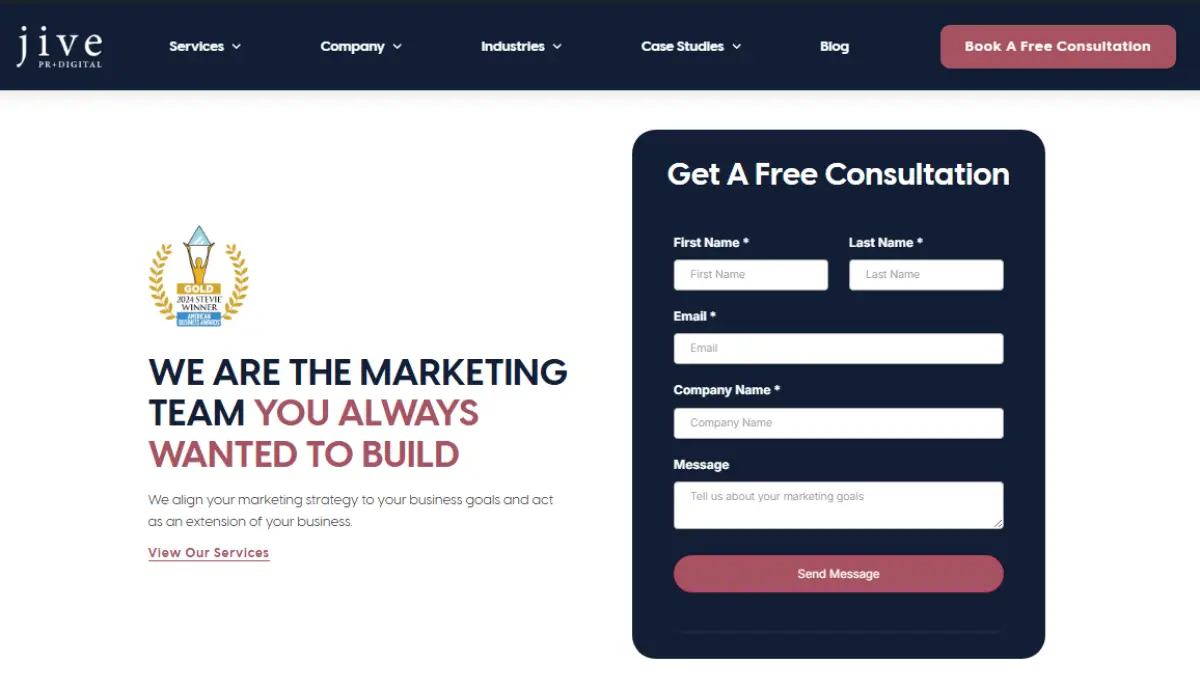
Jive PR + Digital is a modern communications agency that approaches influencer marketing through the lens of credibility, storytelling, and cultural relevance. Rather than treating creators as distribution channels, the agency integrates influencer marketing with PR, brand narrative, and digital strategy. This ensures campaigns feel authentic, aligned, and sustainable over time. Jive’s work focuses on building trust-driven visibility rather than short-term spikes.
Jive PR + Digital specializes in influencer strategy, creator partnerships, cultural trend alignment, and consumer storytelling. The agency excels at blending earned media thinking with influencer activation. Their campaigns are designed to feel native to social platforms while supporting broader brand narratives. Jive is particularly strong in fashion, lifestyle, and Gen Z focused consumer categories.
Brands choose Jive PR + Digital when they want influencer marketing to feel genuine, credible, and brand-building. Instead of chasing vanity metrics, the agency helps brands create lasting relevance and trust, making it a strong partner for companies focused on long-term growth rather than quick wins.
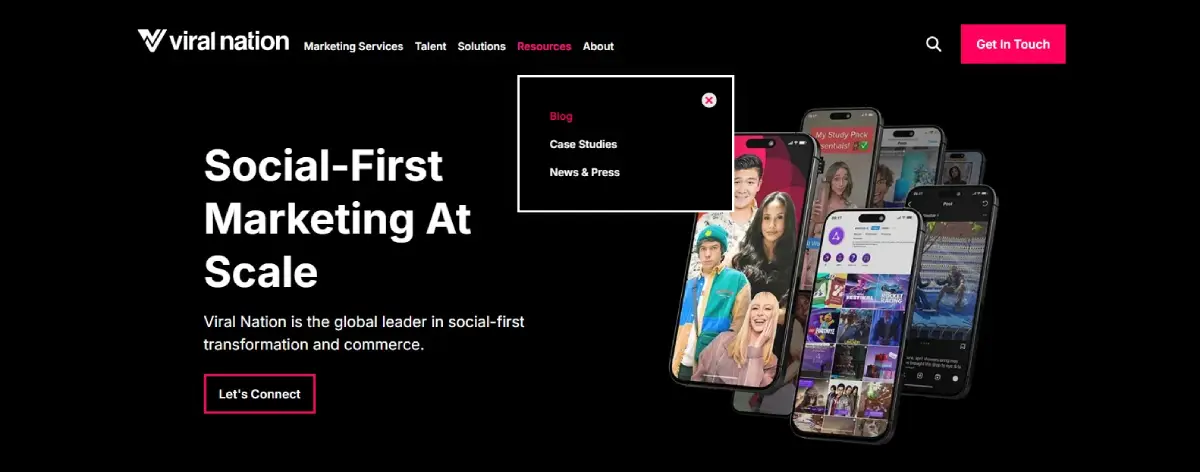
Viral Nation is a global influencer marketing agency known for executing large-scale campaigns across multiple markets. The agency combines technology, data, and an extensive creator network to manage high-volume influencer programs. Its approach is structured, performance-oriented, and designed for scale. Viral Nation operates at the intersection of influencers, analytics, and global reach.
Brands choose Viral Nation for its ability to deliver consistent results at scale. It is often selected by large and enterprise brands running multi-market influencer campaigns. The agency’s strength lies in operational execution, data-backed planning, and global creator access.
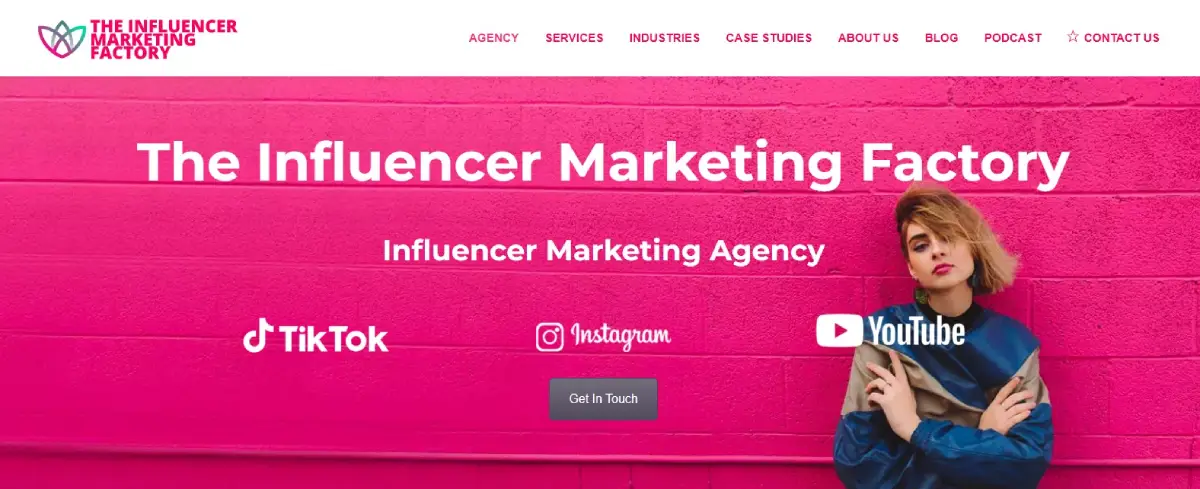
The Influencer Marketing Factory is a social-first agency specializing in Gen Z and millennial audiences. It focuses heavily on platform-native influencer campaigns, particularly on TikTok and Instagram. The agency designs campaigns that blend naturally into social feeds rather than feeling like ads. Its work is rooted in social behavior and content trends.
Brands choose this agency for its deep understanding of social platforms and younger audiences. It is trusted for creating influencer content that feels organic, relatable, and culturally relevant. The agency is especially effective for brands prioritizing social discovery and engagement.
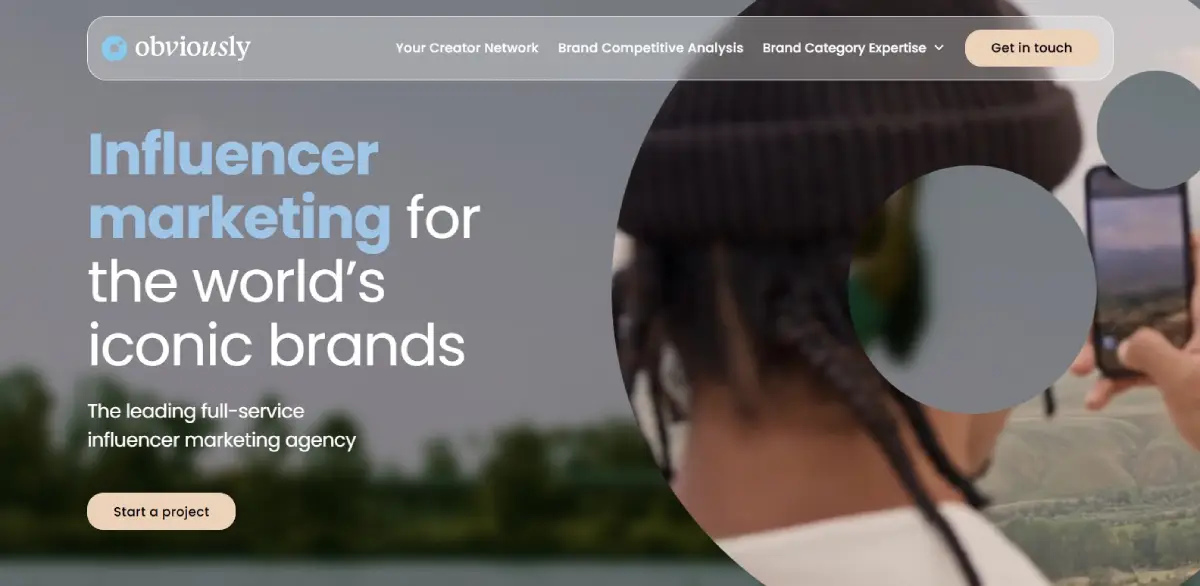
Obviously is an influencer marketing agency known for its structured and scalable approach. The agency manages large creator programs using standardized processes and strong operational systems. Its focus is on consistency, coordination, and repeatable campaign execution. Obviously works across regions and markets with a process-driven model.
Brands choose Obviously for reliability and executional consistency. It is often selected by companies running recurring or global influencer programs. The agency’s strength lies in managing complexity and scale with predictable outcomes.
inBeat is a performance-focused influencer marketing agency that specializes in micro-creators and UGC. The agency connects influencer content directly to paid media and conversion funnels. Its campaigns are designed to test, optimize, and scale performance-driven creatives. inBeat operates at the intersection of influencer marketing and paid social.
Brands choose inBeat when ROI and conversions are the primary objective. The agency is valued for its performance mindset and UGC expertise. It is especially popular with D2C and eCommerce brands focused on measurable outcomes.
NeoReach is a data-driven influencer marketing agency and platform focused on analytics and insights. It supports brands with influencer discovery, audience intelligence, and campaign measurement. The agency emphasizes research-backed decision-making over intuition. Its model blends technology with campaign execution.
Brands choose NeoReach for its strong analytical capabilities and data transparency. It is often preferred by teams that prioritize insights, benchmarking, and performance tracking. The agency helps brands make informed influencer decisions at scale.
Ubiquitous is a TikTok-first influencer marketing agency focused on creator-native storytelling. The agency designs campaigns around platform trends, formats, and creator behavior. Its work emphasizes authenticity and speed in fast-moving social environments. Ubiquitous operates with a strong creator-first philosophy.
Brands choose Ubiquitous for its deep understanding of TikTok culture. The agency is trusted for producing content that feels timely and organic. It is especially effective for brands targeting Gen Z and social-first growth.
Socially Powerful is a social-first influencer marketing agency that integrates creators into broader social strategies. The agency focuses on cultural trends, creative execution, and multi-platform campaigns. Its approach treats influencer marketing as part of an always-on social ecosystem. The agency works across regions and industries.
Brands choose Socially Powerful for integrated social and influencer execution. It is valued for its creative thinking and trend-led approach. The agency suits brands looking to connect influencer marketing with wider social media efforts.
The “best” influencer marketing agency is never universal. What works exceptionally well for one brand can be completely misaligned for another. Choosing the right agency is less about rankings and more about fit, fit with your brand’s stage, goals, resources, and expectations.
Before shortlisting or onboarding an agency, brands should take a step back and ask what they actually need right now.
Some brands are in a phase where credibility and trust are the biggest barriers. Others need rapid awareness, user adoption, or sales momentum. These two goals require very different influencer strategies, and not every agency excels at both.
Brands should start by asking:
It’s also important to evaluate internal readiness. Influencer marketing works best when there is clarity on brand voice, audience definition, and success metrics. An agency can guide strategy, but it cannot replace foundational brand clarity.
The right agency aligns with your growth stage, budget reality, and internal capabilities. When expectations and capabilities are aligned on both sides, influencer partnerships become more effective, collaborative, and sustainable.
Even experienced brands make avoidable mistakes when selecting influencer marketing agencies. These mistakes often stem from unrealistic expectations or a surface-level understanding of how influencer marketing actually works.
One of the most common mistakes is choosing an agency based solely on big creator names or follower counts. Reach does not automatically translate into trust, engagement, or conversions. In many cases, smaller creators with strong audience relationships outperform larger influencers.
Another frequent issue is expecting instant results. Influencer marketing is not a switch you turn on and immediately see outcomes. It requires testing, iteration, and optimization. Brands that abandon campaigns too early often miss long-term impact.
Over-controlling creators is another major pitfall. When brands script every word, dictate rigid formats, or remove creator personality, content quickly starts to feel like an ad. This undermines the very authenticity influencer marketing is meant to deliver.
Finally, measuring success only through views or impressions limits understanding. Influencer marketing often influences consideration, trust, and recall over time. Metrics like saves, shares, sentiment, and assisted conversions offer a much clearer picture of real impact.
Influencer marketing agencies are not interchangeable, even if they appear similar on the surface. Behind the same buzzwords, reach, creators, engagement, performance, are very different philosophies, processes, and priorities. The agencies that deliver real impact are not always the loudest or the most visible, but the ones that align most closely with a brand’s reality.
The most successful brand–agency relationships are built on alignment, trust, and a shared understanding of the audience. Alignment means the agency understands not only what the brand wants to achieve, but also why it exists, who it is speaking to, and how it needs to show up in culture. Trust allows brands to give agencies and creators the freedom required to produce authentic, high-performing content. Without trust, influencer marketing quickly becomes over-controlled and ineffective.
An influencer marketing agency helps brands plan, execute, and measure creator-led campaigns. This includes influencer discovery, campaign strategy, creator management, content planning, usage rights, and performance tracking. The best agencies go beyond outreach and focus on brand alignment, storytelling, and long-term growth outcomes.
Choosing the right influencer marketing agency depends on your brand goals, growth stage, and audience. Brands should evaluate category experience, creator quality, strategic thinking, platform expertise, and measurement approach. The right agency aligns with your business objectives rather than offering a one-size-fits-all solution.
Yes, influencer marketing agencies can be valuable for small or early-stage brands when credibility, reach, or creator access is limited internally. Agencies provide strategic guidance, creator relationships, and execution expertise, helping brands avoid costly mistakes and accelerate learning compared to testing influencer marketing alone.
Influencer marketing agencies measure success using metrics beyond views and impressions. Common KPIs include engagement quality, saves, shares, sentiment, watch time, assisted conversions, and content performance across channels. These metrics help brands understand trust, influence, and long-term impact, not just reach.
An influencer marketing agency provides strategy, creative direction, and hands-on campaign management, while an influencer platform mainly offers software for influencer discovery and tracking. Agencies focus on execution and brand fit, whereas platforms require brands to manage strategy and relationships internally.