Last Updated: July 2026
An influencer agency is a specialized marketing partner that connects brands with content creators to plan, execute and manage impactful collaborations. These agencies handle everything from identifying the right influencers and managing talent relationships to negotiating brand deals and tracking campaign performance, making the entire process more strategic and efficient for brands.
Influencer marketing has become a core driver of modern PR and digital strategy because audiences trust creators more than traditional advertising. Cultural, trend-driven campaigns are helping brands participate in real conversations that unfold across social media platforms. Agencies with strong cultural fluency understand how to align brand storytelling with what audiences genuinely care about, resulting in stronger engagement, higher ROI and long-term brand equity.
Beyond campaign execution, these agencies play a critical role in managing creator partnerships and building authentic connections between brands and communities. This makes them essential partners for any brand looking to stay relevant in today’s fast-moving digital landscape.
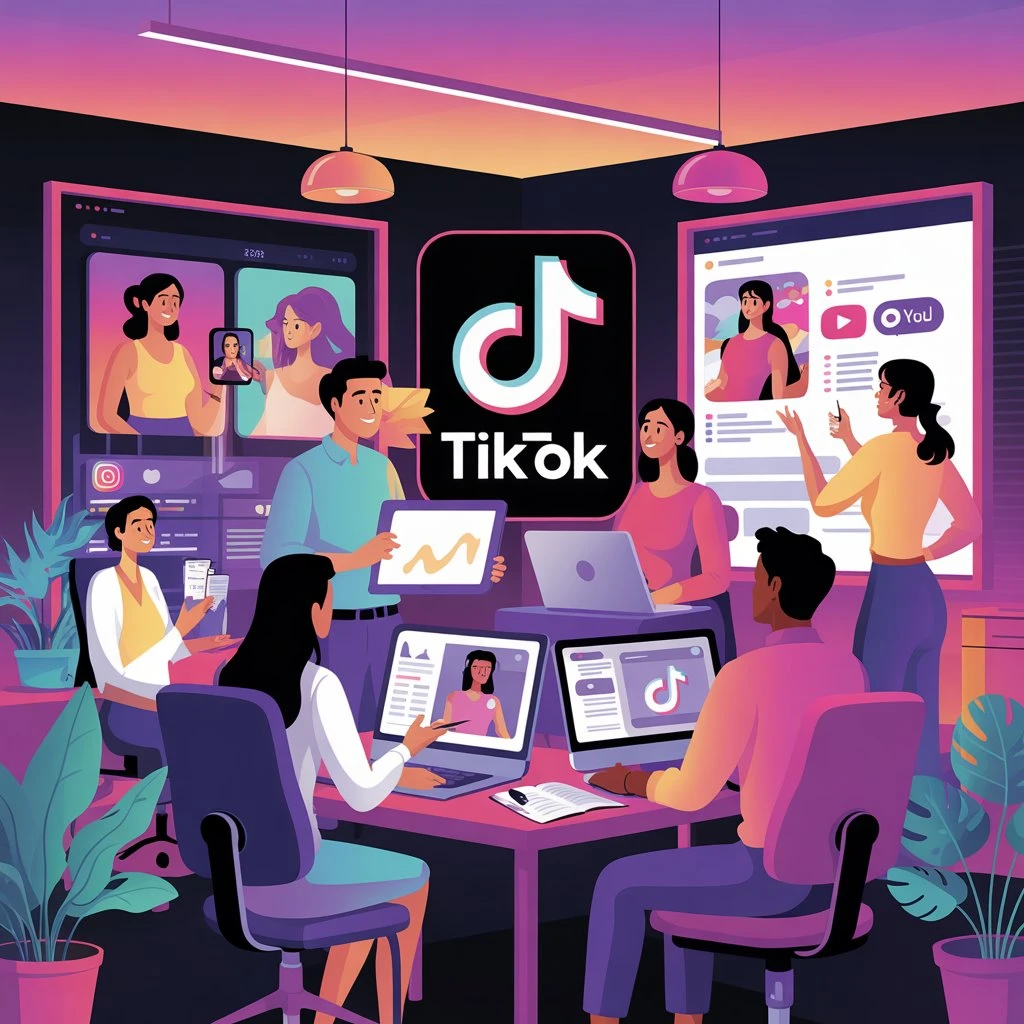
Influencer talent management agencies act as the bridge between brands and creators, ensuring collaborations are strategic, scalable and performance-driven rather than one-off promotions.
Typically, the process begins with talent onboarding, where creators are evaluated based on niche, audience quality and engagement metrics. Agencies then focus on brand matchmaking, aligning the right creators with brands based on campaign goals and audience overlap.
Once a collaboration is finalized, agencies manage campaign execution, including content planning, approvals and timelines. The final stage involves performance tracking, where metrics such as engagement, reach, conversions and ROI are analyzed to optimize future campaigns.
This structured approach is what separates professional influencer agencies from random creator outreach.
Choosing the right influencer marketing agency requires a close look at their strategic capabilities and cultural understanding. Agencies that excel with modern audiences have strong skills in cultural trend analysis and can identify the moments, conversations and behavioral shifts that shape consumer engagement. A proven track record is essential, especially for brands that depend on measurable growth, consistent storytelling and long-term audience trust. The best agencies not only create content but also build narratives that live across multiple platforms, including TikTok, Instagram, YouTube and emerging channels. Creativity plays a key role and the agency must know how to turn trends into brand-aligned stories that feel authentic and relatable. Strong cross-platform execution, real-time content adaptation and a deep understanding of influencer behavior are all important indicators of an agency that can deliver meaningful results and high ROI.
Jive PR + Digital stands out by combining influencer marketing with strategic public relations, allowing brands to not only collaborate with creators but also amplify their campaigns through media visibility. The agency focuses on building long-term creator partnerships, helping brands scale through performance-driven campaigns across platforms like Instagram and TikTok.
Jive PR + Digital elevated Daiya Foods through creator collaborations tailored to modern plant-based consumers. The agency used trend-aligned TikTok and Instagram content to show authentic product usage moments and lifestyle integration. This helped Daiya reach younger shoppers and boost sales across the US and Canada, while reinforcing its position as a leading plant-based brand.
Cultural trendjacking, cross-platform campaigns, influencer partnership management, earned media integration, storytelling, digital authority development and social strategy with a focus on TikTok.
Strong cultural fluency, excellent understanding of Gen Z and Millennial behavior, high creativity and thoughtful strategic execution. Delivers a positive ROI and turns brands into household names with obsessed communities of superfans.
Viral Nation is a large-scale influencer marketing and talent management agency known for building measurable campaigns for global brands. They specialize in creator-driven performance, brand collaborations and cross-platform trend-based activations. Their in-house talent roster and tech-enabled approach make them one of the most recognized agencies in the influencer space today.
Viral Nation delivered a creator-focused multi-platform campaign for a major gaming brand targeting Gen Z communities. Through niche TikTok creators, interactive content and integrated storytelling, they increased brand visibility, drove high engagement and contributed to a strong lift in user activity during the product promotion period.
Influencer partnerships, content production, creator talent management, community engagement campaigns, data-backed strategy and scaled social programs for global brands.
Large talent roster, strong analytic capabilities and highly scalable solutions. Well-suited for brands looking to run broad multi-platform campaigns driven by performance metrics and measurable reach.
High cost structure and enterprise-level focus may make them less accessible for smaller brands seeking more hands-on personalized service or creative intimacy.
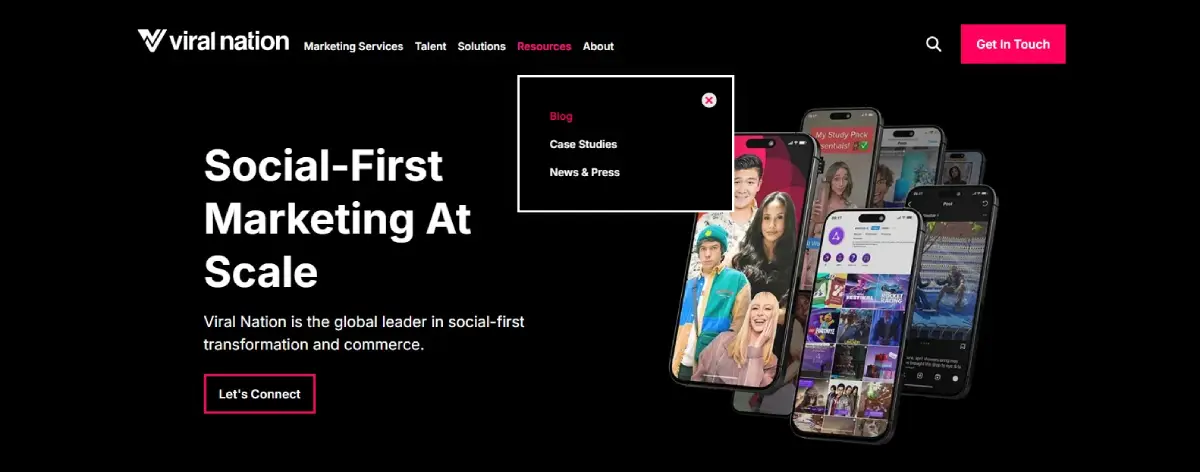
inBeat is an influencer marketing agency that helps brands scale creator-led campaigns into performance-driven growth channels. Rather than focusing on one-off collaborations, they specialize in sourcing and activating large volumes of creators to produce UGC that can be tested, optimized, and distributed across paid social. Campaigns are built not just for reach, but for conversion, with continuous testing of hooks, formats, and messaging across platforms like TikTok and Instagram to identify and scale top-performing assets.
inBeat supported fast-growing brands by producing high volumes of creator content for TikTok and paid social. By turning influencer output into structured creative testing pipelines, brands were able to increase engagement rates, improve ad performance, and rapidly expand their library of conversion-focused assets.
Micro-influencer campaigns, UGC production, performance creative, paid media amplification, cross-platform testing.
Strong fit for brands that want influencer marketing to drive measurable results, not just awareness. Their approach enables fast iteration, consistent content volume, and clearer performance insights.
Less suited for brands focused on celebrity partnerships or traditional, awareness-only influencer campaigns.
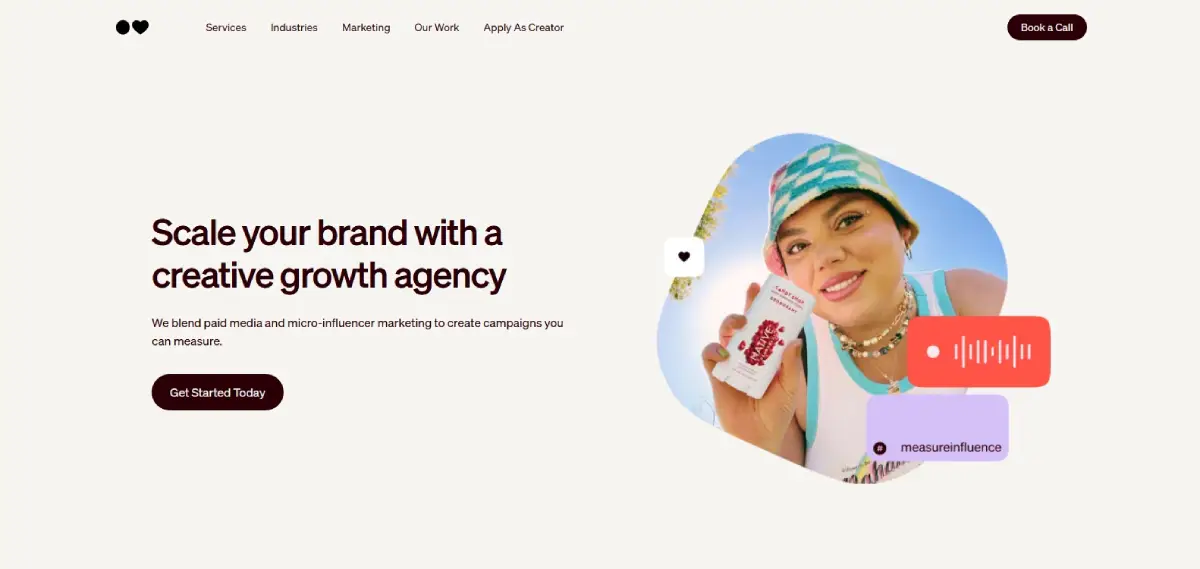
The Goat Agency is a globally recognized influencer marketing company that has built strong authority across TikTok, YouTube and Instagram. Known for creator-led storytelling and data-informed planning, Goat connects brands with relevant influencers that align with audience motivations. Their campaigns emphasize authenticity and long-form creator relationships.
The Goat Agency partnered with a major retail brand to expand its social presence among young shoppers. By activating creators across TikTok and YouTube, they delivered culturally aligned content, increased product visibility and drove more repeat audience interactions through a mix of organic storytelling and structured creator partnerships.
Creator sourcing, long-term influencer programs, content strategy, cross-platform campaign execution, paid social amplification and data-backed influencer management.
Strong data insights, global reach and a deep understanding of content that resonates with younger demographics. Offers both creative direction and structured performance alignment across large-scale campaigns.
Large agency frameworks may create slower turnaround times. Smaller brands may find the onboarding process more complex compared to boutique agencies.
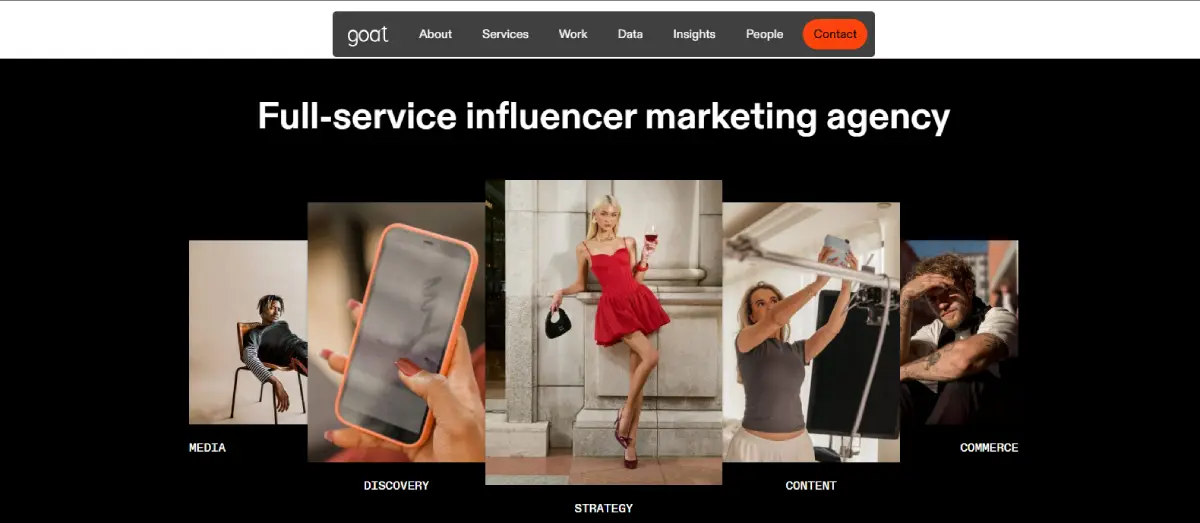
The Influencer Marketing Factory is a creator-focused agency specializing in TikTok, Instagram and YouTube collaborations. The team combines cultural research with data-driven selection to align brands with influential creators who naturally fit campaign goals. They offer global reach and have worked with brands across entertainment, retail, finance and lifestyle.
The agency executed a TikTok challenge for a major lifestyle brand and collaborated with high-performing creators who delivered viral content moments. The result was a major surge in user-generated content, organic reach and strong community participation aligned with the brand message.
Influencer campaign management, creative strategy, TikTok challenge development, creator sourcing, data-backed planning and global reach.
Highly capable TikTok-focused team, strong trend awareness and strong creative ideation. Effective at producing viral content moments across short-form video platforms.
May not offer as deep brand storytelling capabilities compared to PR integrated agencies. Results vary based on trend cycles and creator availability.
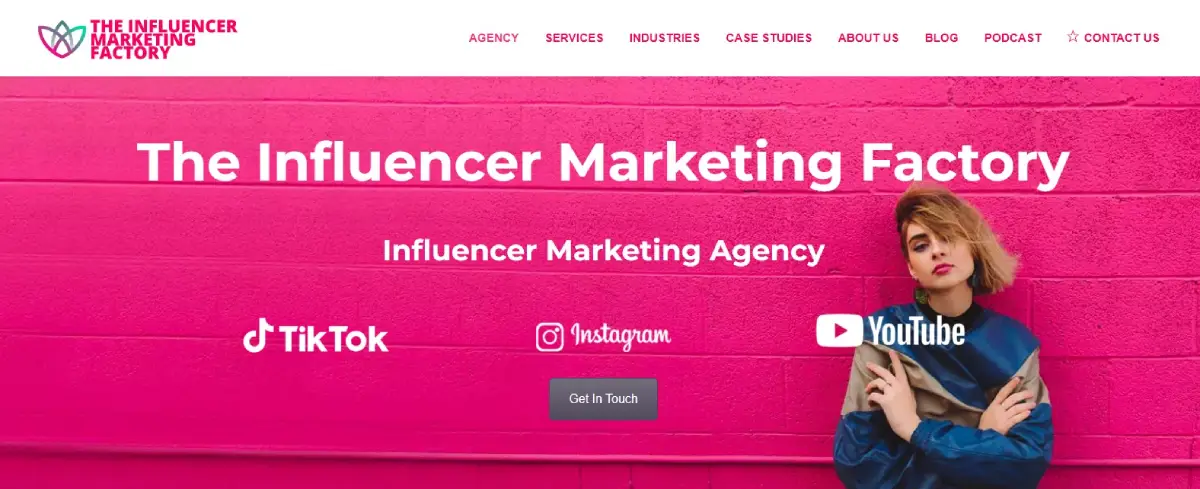
Obviously is a full-service influencer agency known for large-scale creator programs and cross-channel content production. They work with enterprise brands and manage both paid and organic influencer activations. Their creator relationships span lifestyle, beauty, tech and CPG categories, making them a widely respected choice.
Obviously, activated more than one hundred creators for a beauty brand seeking nationwide visibility. The creators produced TikTok and Instagram content showcasing daily use cases, which led to strong community discussion, increased product awareness and enhanced social credibility.
Large-scale creator programs, multi-channel campaigns, content production, trend-based strategy and talent sourcing.
Excellent for brands seeking volume-based creator campaigns. Capable of organizing large networks of influencers with streamlined operations and strong reporting.
Large-scale focus can reduce individual creator attention. Boutique-level personalization may be limited depending on campaign size.
HireInfluence is a premium influencer marketing agency focused on bespoke creative campaigns. With a strong reputation in lifestyle and consumer categories, they curate creator selections manually to ensure authenticity and strong audience fit. They are known for experiential campaigns, storytelling and custom creative concepts.
For a well-known consumer brand, HireInfluence developed a themed influencer campaign featuring lifestyle creators who highlighted aspirational product moments. The content produced significant engagement and helped drive awareness among young social media users.
Custom influencer programs, lifestyle storytelling, creator curation, experiential campaigns and creative ideation.
Great for brands seeking high creativity and tailored campaigns. Strong storytelling skills and a handpicked influencer pool create unique brand experiences.
Not ideal for brands needing large-scale creator activation. Higher cost for custom content production and experiential features.
Open Influence is an established influencer marketing agency that uses storytelling and creator alignment to help brands craft meaningful campaigns. They use data and cultural insights to match brands with creators who can communicate with relevance and authenticity across multiple platforms.
Open Influence collaborated with a tech brand to create TikTok and Instagram content explaining product features in relatable everyday scenarios. The creators helped simplify the message and generate high engagement among young audiences.
Storytelling, creator selection, campaign management, content strategy and multi-platform distribution.
Open Influence delivers strong strategic planning supported by detailed creator analytics, making it easier for brands to reach the right audiences. Their storytelling-focused approach helps campaigns feel authentic and culturally relevant. They also offer a balanced blend of creativity and data-driven execution suitable for mid to large-sized brands.
Pricing may feel higher for smaller brands that are early in their influencer marketing journey. Their large portfolio of clients can sometimes limit the level of dedicated attention for newer accounts. Campaign timelines may occasionally extend due to high demand for top-tier creators.
The Shelf specializes in data-driven influencer marketing campaigns, combining creative storytelling with advanced analytics to maximize ROI. The agency is particularly effective for brands looking to execute highly targeted campaigns with measurable performance outcomes.
The Shelf worked with a beauty brand to produce multi-creator storytelling around daily self-care routines. TikTok creators shared authentic experiences, which drove a strong emotional connection and boosted product conversation among beauty-focused consumers.
Data-informed creator selection, storytelling, trend integration, creative concepts and influencer management.
The Shelf excels at delivering highly creative campaign concepts backed by psychology-driven audience insights. Their deep understanding of lifestyle and beauty communities helps brands tap into authentic storytelling. They consistently produce visually strong, emotionally grounded creator content that resonates with Gen Z and millennial audiences.
Their creative depth often requires longer planning and production timelines. The agency is not ideal for brands needing fast turnaround or high-volume UGC content. Some smaller brands may find the process more intensive than expected due to strategy-heavy development.
The Outloud Group is a performance-driven influencer agency specializing in long-term creator partnerships. They work with creators across YouTube, TikTok, streaming platforms and Instagram to help brands build measurable results. They focus on authenticity and niche community alignment.
The Outloud Group partnered with a consumer brand to activate creators across TikTok and YouTube for a seasonal promotion. The result was strong community engagement, high content consistency and direct conversion impact from creators’ audiences.
Long-term creator partnerships, performance influencer programs, cross-platform strategy and measurable campaign tracking.
The Outloud Group is well-suited for brands that want long-term creator partnerships and measurable performance results. They have strong expertise in niche communities and platforms where authenticity drives conversions. Their structured approach ensures consistent content quality and reliable campaign tracking across creators.
They may not be the best fit for brands seeking high volume and quick creator activations. Their first performance model can reduce room for experimental or culture-driven content. Smaller brands may also find long-term commitments more demanding, depending on budget and scope.
Choosing the right influencer talent agency depends on several key factors. Brands should evaluate the agency’s experience within their industry, the type of creators they manage and their ability to deliver measurable results.
It is also important to consider the platforms the agency specializes in. For example, brands targeting younger audiences may benefit more from agencies with strong TikTok expertise, while others may prioritize Instagram or YouTube.
Budget alignment is another critical factor. Some agencies focus on large-scale campaigns, while others specialize in micro-influencer strategies that offer cost-effective growth.
Ultimately, the right agency aligns with your brand voice, target audience and long-term growth strategy.
Influencer marketing continues to evolve rapidly, with several key trends shaping how brands collaborate with creators in 2026.
One of the most significant shifts is the rise of micro and nano influencers, who often deliver higher engagement and authenticity compared to larger creators. Additionally, user-generated content (UGC) is becoming a core strategy, as brands prioritize relatable and native content over polished advertisements.
Short-form video platforms like TikTok and Instagram Reels are dominating campaign strategies, pushing brands to adopt a video-first approach. At the same time, there is a growing focus on performance-based collaborations, where influencers are compensated based on measurable outcomes such as sales or conversions.
These trends highlight the increasing importance of strategic, data-driven influencer partnerships.
Influencer marketing plays a powerful role in shaping brand identity and audience loyalty, especially when supported by culturally trend-driven strategies. Brands that understand and act on cultural moments are more likely to achieve stronger visibility and meaningful engagement. Working with the right agency helps you stay ahead of audience behavior and social platform shifts. As culture continues to evolve quickly, choosing an experienced partner becomes essential for long-term success. To begin your journey, explore these agencies, review their case studies and reach out for a conversation to understand how they can support your brand goals and create campaigns that truly resonate.
Here is how the top influencer marketing agencies in this list compare based on publicly available client ratings.
| Brand | Rating | Reviews | Key Strength | Best For |
|---|---|---|---|---|
| Jive PR + Digital | ★★★★★ 4.9 | 44 (Google) | PR + influencer integration with social media | Consumer brands seeking full-service PR & digital |
| Viral Nation | ★★★★★ 5.0 | 2 (Clutch) | Global scale with proprietary social intelligence data | Brands running broad multi-platform campaigns |
| The Goat Agency | N/A | Not yet reviewed (Clutch) | Data-led performance with 200k+ tracked influencers | Large brands needing global social media reach |
| The Influencer Marketing Factory | ★★★★ 4.0 | 5 (Clutch) | TikTok, Instagram & YouTube campaign execution | Brands targeting Gen Z and Millennials |
| Obviously | N/A | Not publicly listed | Full-service influencer + YouTube marketing | Fortune 500 brands and iconic global companies |
| HireInfluence | ★★★★½ 4.5 | 5 (Clutch) | Bespoke creative campaigns in lifestyle & consumer | Brands seeking white-glove influencer service |
| inBeat | ★★★★★ 5.0 | 9 (Clutch) | UGC + micro-influencer performance media | E-commerce, CPG & growth-focused brands |
| Open Influence | ★★★★ 4.4 | Multiple (IMH) | AI-powered image recognition for influencer discovery | Medium to large brands needing precision targeting |
| The Shelf | ★★★★★ 5.0 | 2 (Clutch) | Data-first campaign planning with creative excellence | Brands seeking data-driven influencer campaigns |
| The Outloud Group | ★★★★★ 5.0 | 4 (Clutch) | Relationship-driven YouTube & TikTok integrations | Consumer goods & health-focused brands |
An influencer agency is a marketing partner that helps brands collaborate with the right social media creators to promote their products or services. These agencies manage the entire process, from identifying relevant influencers and negotiating partnerships to executing campaigns and tracking performance.
In addition to matchmaking, influencer agencies ensure that collaborations feel authentic, align with the brand’s goals and deliver measurable results in terms of reach, engagement and conversions. This makes them especially valuable for brands looking to scale their presence through strategic creator partnerships without managing everything in-house.
They handle creator selection, campaign execution, and performance tracking, allowing brands to scale influencer marketing efficiently.
Influencer marketing focuses on campaigns, while talent management focuses on long-term creator partnerships and growth.
Costs vary depending on campaign size, creators involved, and platforms used, ranging from small monthly retainers to large-scale campaign budgets.
TikTok and Instagram are currently the most effective platforms, depending on the target audience and content strategy.